
Bring the Fun Back Into Writing Class: How Mad Libs Build Real Writing Skills
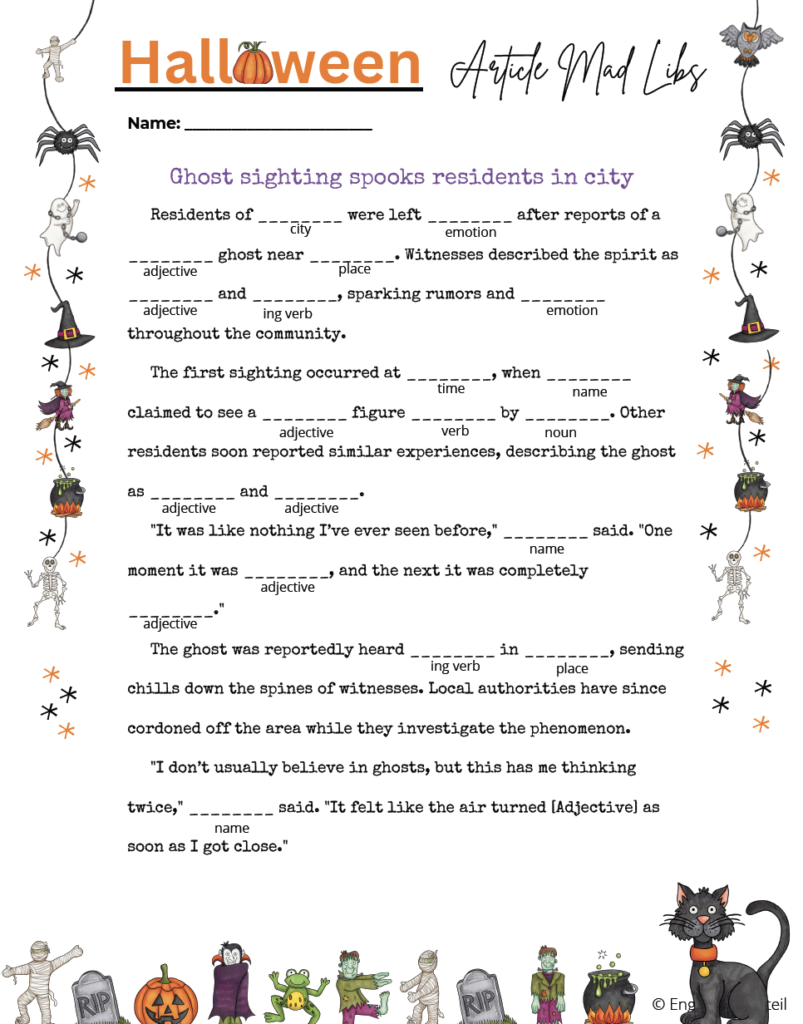
Mad Libs have been making people laugh for generations, but their value in the classroom goes far beyond silliness. When used intentionally, Mad Libs become a powerful instructional tool that supports grammar, writing structure, creativity, and even journalism skills.
For teachers, they offer something even more valuable: a low-prep, high-engagement activity that lowers student anxiety around writing while reinforcing essential language concepts. When students laugh, participate, and take risks with words, learning sticks.
Whether you teach upper elementary, middle school, or high school ELA or journalism, Mad Libs can help students strengthen their writing skills without feeling like they are doing “another worksheet.”
What Are Mad Libs (and Why They Still Work)?
Mad Libs are structured stories with missing words. Students supply nouns, verbs, adjectives, adverbs, and other parts of speech without seeing the full context of the story. When the completed text is read aloud, the results are often unexpected, hilarious, and memorable.
For example:
“On a spooky Halloween night, the gigantic pumpkin danced eerily through the foggy graveyard.”
This simple structure does something powerful. It separates word choice from meaning, allowing students to focus on language mechanics without the pressure of creating an entire piece of writing from scratch.
That separation is what makes Mad Libs such an effective learning tool.
Why Mad Libs Work for Older Students Too
Mad Libs are often associated with younger learners, but older students respond just as positively when the content feels age-appropriate.
For middle and high school students, Mad Libs can be redesigned to match:
Journalism articles
Satire and parody
Holiday-themed news stories
Creative nonfiction
Investigative-style leads
When students recognize the structure as something “real,” engagement skyrockets. Humor becomes the hook, but skill-building is the outcome.
Why Mad Libs Create a Positive Writing Environment
One of the biggest challenges in writing instruction is student fear. Fear of being wrong. Fear of sounding “bad.” Fear of judgment.
Mad Libs remove that fear.
Because the writing is collaborative and playful, students feel safe experimenting with language. They are more willing to participate, suggest ideas, and take risks with word choice.
Mad Libs support:
Low-stakes writing practice
Collaboration and discussion
Inclusion of reluctant or anxious writers
Joyful engagement with language
When students laugh together, they relax. When they relax, they learn.
Teaching Grammar and Parts of Speech Without Groans
Mad Libs are one of the most effective ways to teach and reinforce parts of speech.
Instead of memorizing definitions, students actively apply grammar concepts in context. Each blank requires a decision, and each decision reinforces understanding.
Students practice:
Nouns by naming people, places, and things
Verbs by choosing precise action words
Adjectives by adding detail and specificity
Adverbs by refining how actions happen
Because the payoff is immediate and entertaining, students remember what each part of speech does, not just what it is called.
Why Mad Libs Bring Joy to the Classroom
There’s something magical about combining education with humor. Mad Libs turn learning into a game, breaking down barriers of fear or hesitation around writing. Here’s why they’re so effective:
- Collaborative Fun: Students love working together to come up with outrageous answers, fostering teamwork and creativity.
- Stress-Free Learning: By removing the pressure of writing “perfect” sentences, Mad Libs encourage students to engage with language in a playful, low-stakes environment.
- Inclusion of All Students: Whether students are outgoing or shy, everyone can participate in the activity, ensuring no one feels left out.
When the stories come together, the laughter that follows makes learning feel less like a task and more like a celebration.
Why Mad Libs Work for Older Students Too
Mad Libs are often associated with younger learners, but older students respond just as positively when the content feels age-appropriate.
For middle and high school students, Mad Libs can be redesigned to match:
Journalism articles
Satire and parody
Holiday-themed news stories
Creative nonfiction
Investigative-style leads
When students recognize the structure as something “real,” engagement skyrockets. Humor becomes the hook, but skill-building is the outcome.
Why Mad Libs Create a Positive Writing Environment
One of the biggest challenges in writing instruction is student fear. Fear of being wrong. Fear of sounding “bad.” Fear of judgment.
Mad Libs remove that fear.
Because the writing is collaborative and playful, students feel safe experimenting with language. They are more willing to participate, suggest ideas, and take risks with word choice.
Mad Libs support:
Low-stakes writing practice
Collaboration and discussion
Inclusion of reluctant or anxious writers
Joyful engagement with language
When students laugh together, they relax. When they relax, they learn.
Teaching Grammar and Parts of Speech Without Groans
Mad Libs are one of the most effective ways to teach and reinforce parts of speech.
Instead of memorizing definitions, students actively apply grammar concepts in context. Each blank requires a decision, and each decision reinforces understanding.
Students practice:
Nouns by naming people, places, and things
Verbs by choosing precise action words
Adjectives by adding detail and specificity
Adverbs by refining how actions happen
Because the payoff is immediate and entertaining, students remember what each part of speech does, not just what it is called.
Teaching Lead Writing and Journalism Skills with Mad Libs
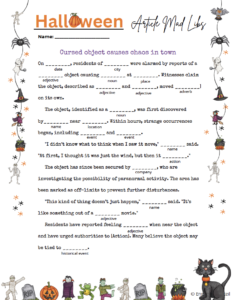
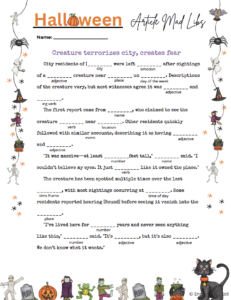
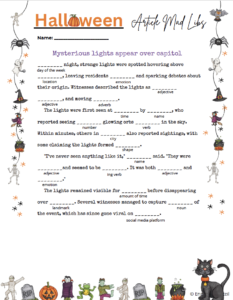
Beyond teaching grammar, Mad Libs can be tailored to teach journalistic writing, especially when formatted like newspaper articles. Students learn how to craft engaging leads, structure articles with facts and quotes, and develop clear, concise writing.
Crafting Leads: Mad Libs formatted as newspaper stories help students understand the elements of a compelling lead. For example:
“On Halloween night, residents of Shadow Lane were startled by a glowing pumpkin hovering above the town square.”Article Structure: By alternating fact paragraphs with quote paragraphs, students practice building a narrative that is both informative and engaging.
Incorporating Creativity: Writing fictionalized “news” about vampires, haunted forests, or mischievous elves combines imaginative storytelling with real-world journalism skills.
These Mad Libs allow students to experiment with the tone, structure, and language of news writing while keeping the experience fun and festive.
How Teachers Use Mad Libs in the Classroom
Teachers love Mad Libs because they are flexible and easy to implement.
They can be used for:
Bell ringers
Small-group collaboration
Whole-class participation
Grammar review
Writing warm-ups
Journalism mini-lessons
They work in both short bursts and extended lessons, making them ideal for busy classrooms.
Holiday-Themed Mad Libs: Festive Fun for Any Season
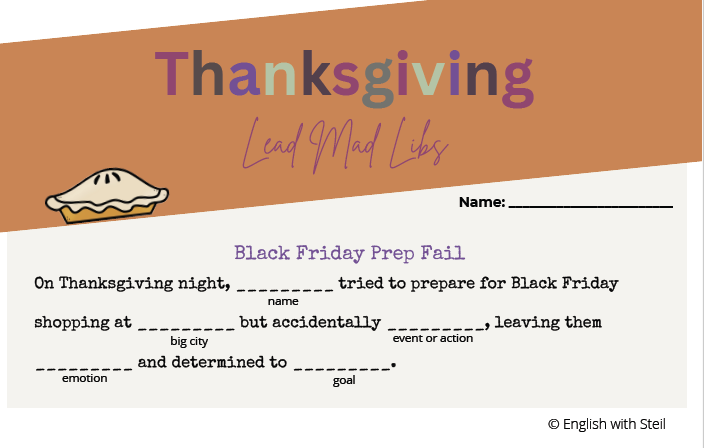
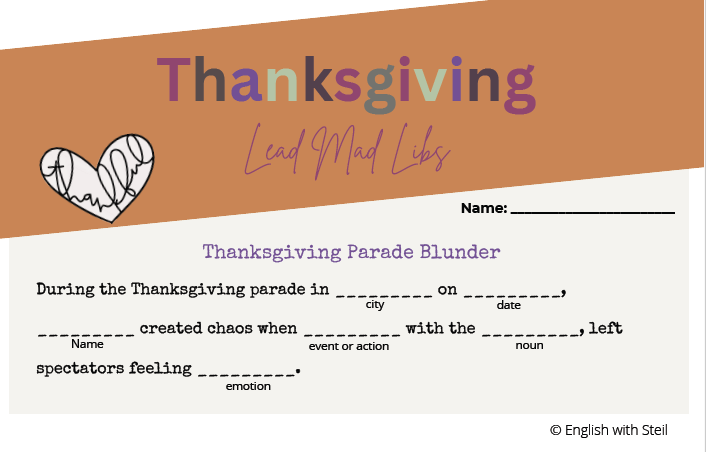
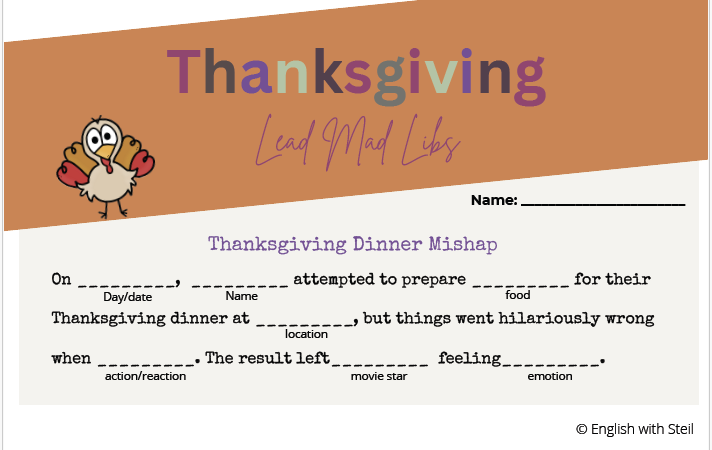
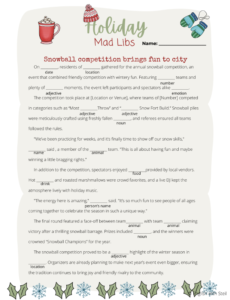
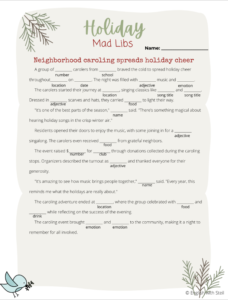
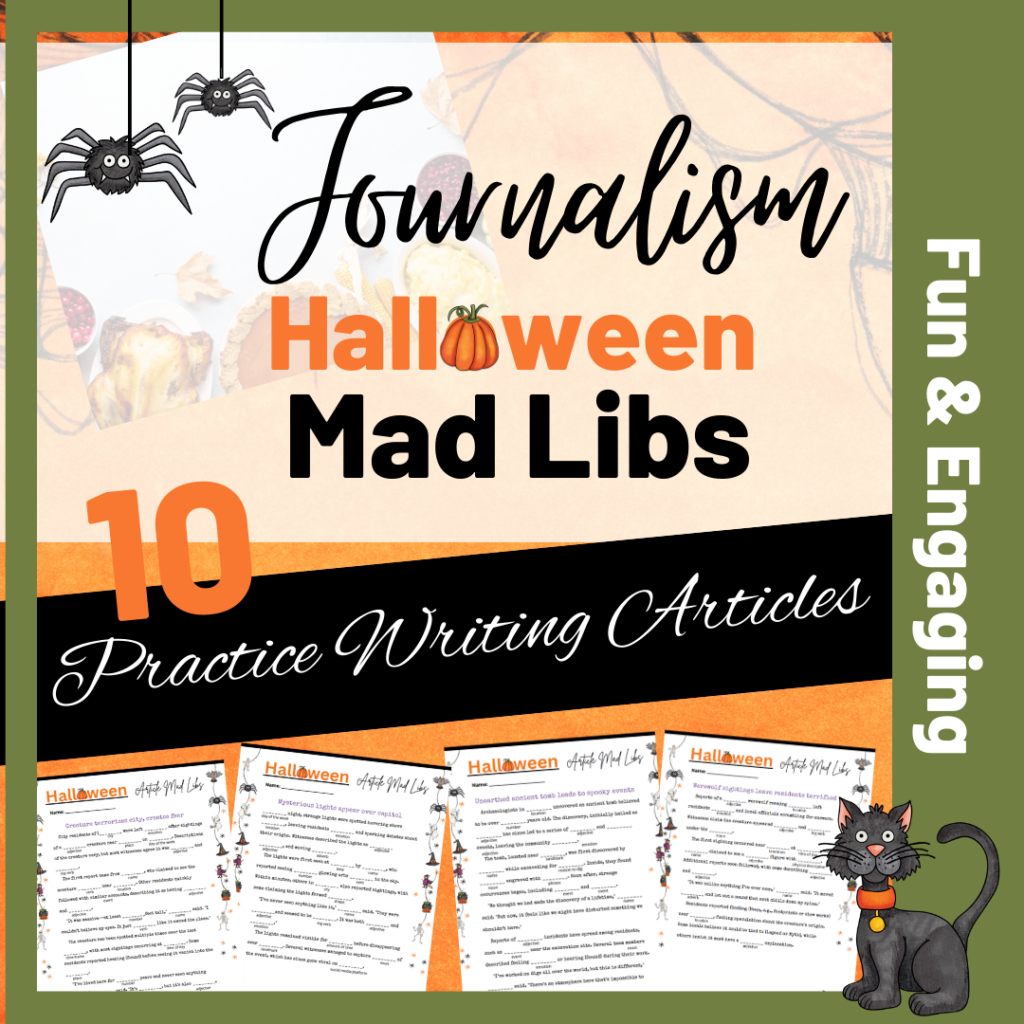
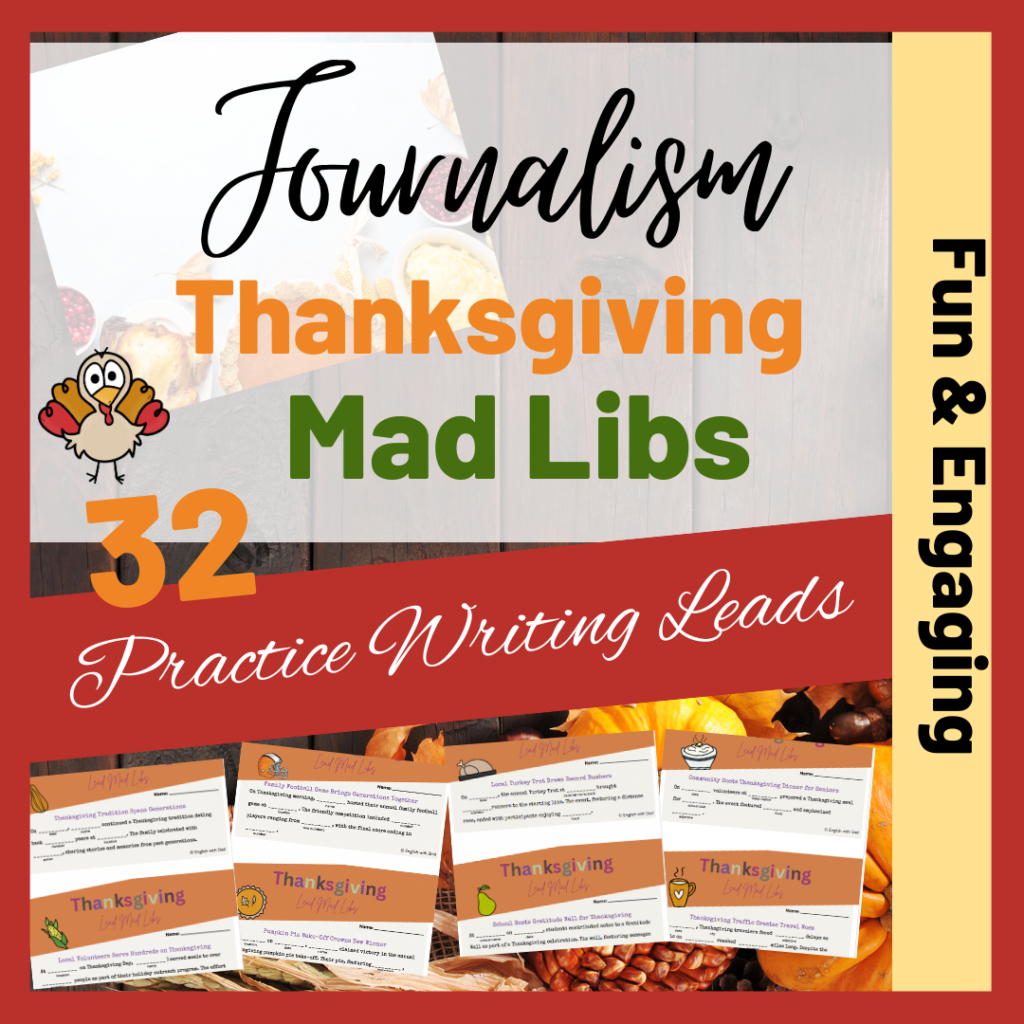
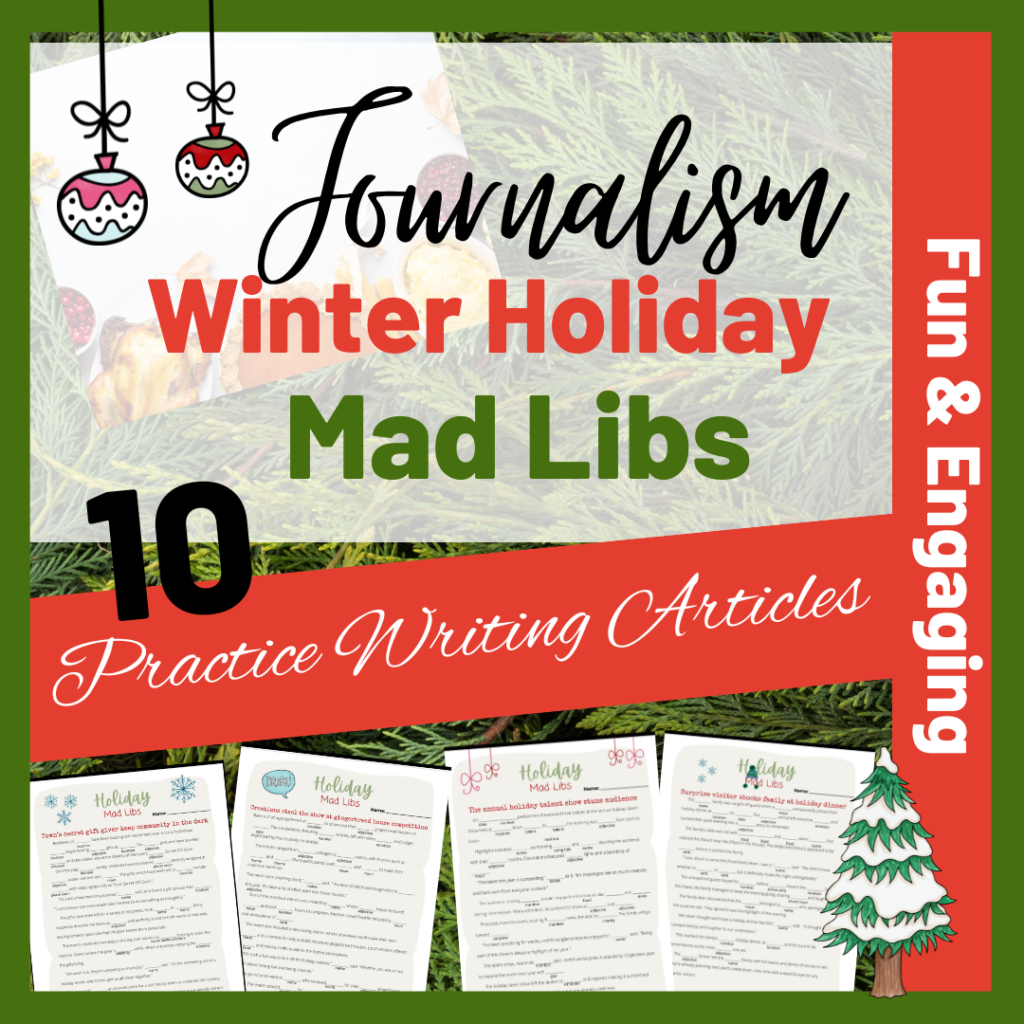
Holiday Mad Libs add a seasonal touch to this classic activity. They’re ideal for classrooms gearing up for Halloween, Thanksgiving, or the winter holidays. Here are some examples:
- Spooky Halloween Stories: Tales of haunted forests, mischievous ghosts, or cursed objects create excitement while teaching descriptive writing.
- Thanksgiving Adventures: Students can write about dinner disasters, family traditions, or the quest for the perfect pumpkin pie.
- Holiday Magic: From runaway reindeer to mysterious gift-givers, these stories let students imagine festive scenarios while practicing key writing skills.
Each Mad Lib invites students to step into a creative world while still focusing on grammar and storytelling basics.
Mad Libs and Parts of Speech
One of the biggest educational benefits of Mad Libs is their ability to teach and reinforce the parts of speech. By requiring students to supply nouns, verbs, adjectives, and adverbs, Mad Libs help them recognize these components in a sentence.
- Nouns: Students expand their vocabulary with people, places, and things—especially seasonal ones like “witch,” “turkey,” or “snowflake.”
- Verbs: Action words come to life as students imagine characters “haunting,” “creeping,” or “sledding.”
- Adjectives: Mad Libs highlight the importance of description, encouraging students to think of words like “spooky,” “crispy,” or “glimmering.”
- Adverbs: Words like “eerily,” “silently,” or “cheerfully” teach nuance and add flavor to sentences.
These activities demystify grammar rules and make them memorable, helping students apply them in future writing.
Final Thoughts
Mad Libs are more than a fun activity. They are a bridge between grammar instruction and authentic writing.
When students engage with language playfully, they develop confidence. When confidence grows, so does skill. And when learning feels joyful, students are far more willing to write, revise, and try again.
If you are looking for a way to build writing skills without increasing stress, Mad Libs are a smart, teacher-friendly choice that students genuinely enjoy.
Mad Libs are a perfect blend of fun and education. By incorporating them into your classroom, you give students the chance to:
- Practice grammar in a hands-on, memorable way.
- Build creative writing and storytelling skills.
- Explore journalistic techniques like lead writing and article composition.
- Laugh and bond with their classmates in a joyful, inclusive activity.
Whether it’s a spooky Halloween adventure, a heartwarming Thanksgiving tale, or a magical holiday story, Mad Libs transform learning into an experience students will love and remember. This holiday season, consider adding Mad Libs to your classroom toolkit, they’re sure to be a hit!
Check Out These Resources from My Fellow Teacher Authors
If you are looking for more playful, low-pressure ways to help students build grammar skills, confidence, and joy in writing, these resources from fellow teacher authors pair perfectly with Mad Libs-style instruction:
Grammar Activities That Don’t Feel Like Grammar by Room 213
Practical, student-friendly grammar strategies that focus on application and confidence instead of memorization.Using Sentence Play to Build Stronger Writers by Room 213
A great look at how sentence manipulation, experimentation, and humor help students understand structure and style.Sentence Expansion and Playful Grammar Activities by Laura Randazzo
Smart ideas for helping students grow sentences intentionally while keeping engagement high.Low-Stakes Writing Activities That Build Confidence by Secondary Sara
Excellent strategies for reducing writing anxiety and getting reluctant writers to participate.Teaching Parts of Speech Through Games and Interaction by Bespoke ELA
A strong collection of grammar activities that prioritize movement, discussion, and student buy-in.Creative Writing Warm-Ups That Get Students Writing Fast by Laura Randazzo
Short, engaging prompts that work well as bell ringers, transitions, or writing warm-ups.

