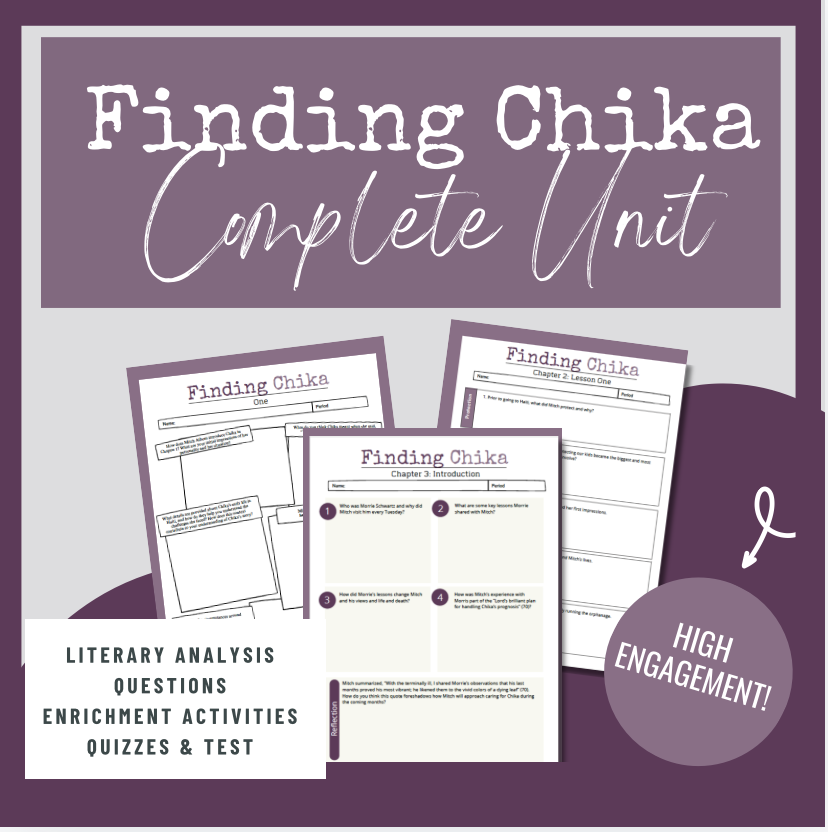
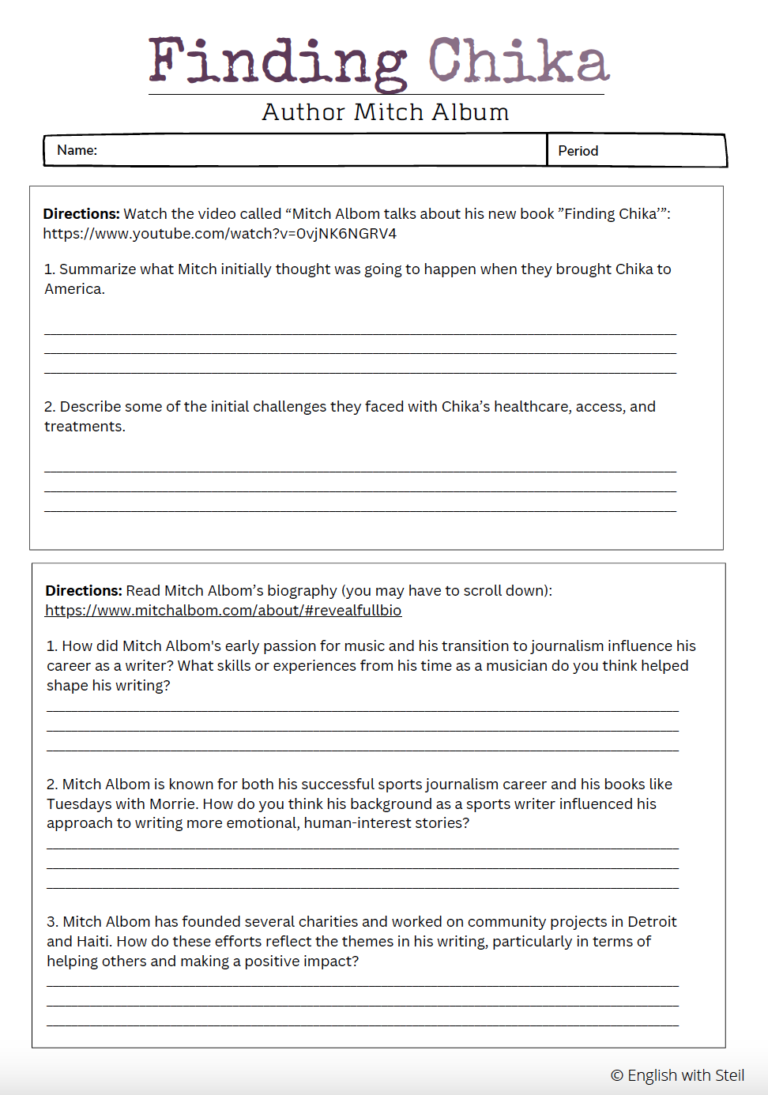
As educators, we are always seeking stories that not only engage students but also offer life lessons that resonate deeply. Mitch Albom’s Finding Chika is one such book, an emotionally rich memoir that chronicles the journey of a young Haitian girl and the bond she forms with her adoptive family. Albom’s heartfelt narrative touches on universal themes such as love, family, hope, and loss, all while illustrating the power of human connection.
In an era where students are constantly exposed to fleeting, surface-level information, the value of teaching nonfiction has never been more important. Memoirs like Finding Chika provide students with a real-world lens through which they can explore significant issues like illness, poverty, and resilience. This is not just a story of survival, but a story of how love and care can extend the boundaries of what we consider family. For teachers looking to engage students in meaningful discussions, develop empathy, and foster critical thinking, Finding Chika offers countless opportunities.
The Value of Teaching Nonfiction
Why Nonfiction Like Finding Chika Matters
In an age of fast content and surface-level scrolling, teaching nonfiction memoirs helps students slow down and engage deeply with real human experiences. Finding Chika offers students a lens into the complexity of the world while reminding them that behind every statistic or headline is a real person.
Nonfiction texts strengthen students’ ability to:
Analyze real-world issues with nuance
Evaluate author perspective and purpose
Build empathy and emotional literacy
Connect personal experience to global contexts
Unlike fictional narratives, memoirs ask students to wrestle with truth, memory, and lived experience. That makes Finding Chika especially powerful in ELA, journalism, and humanities classrooms.
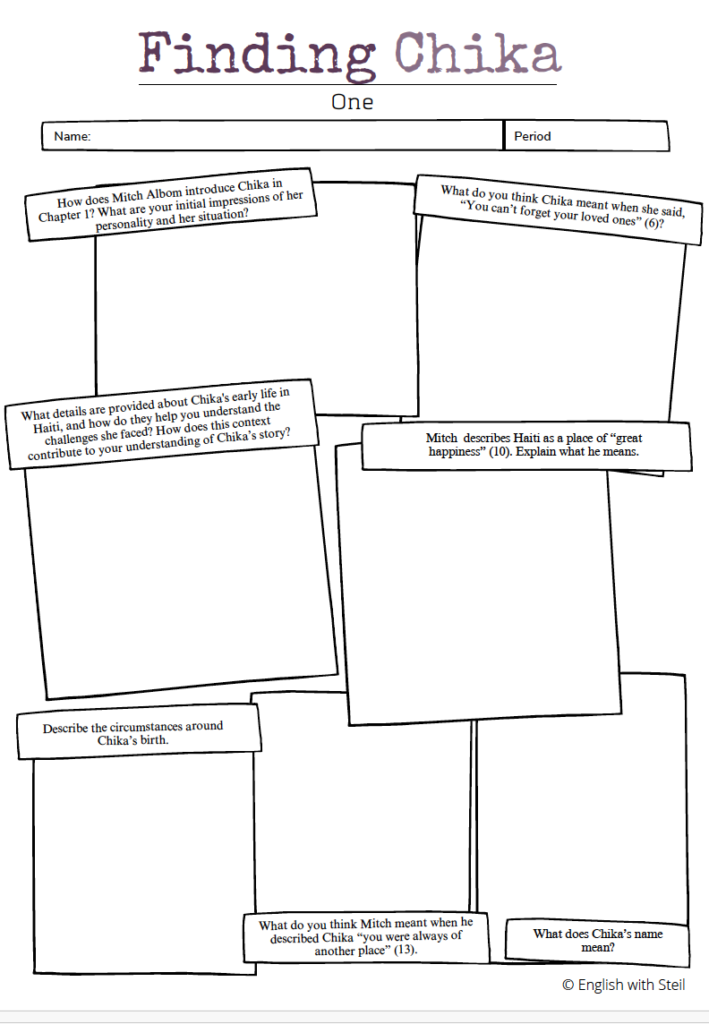
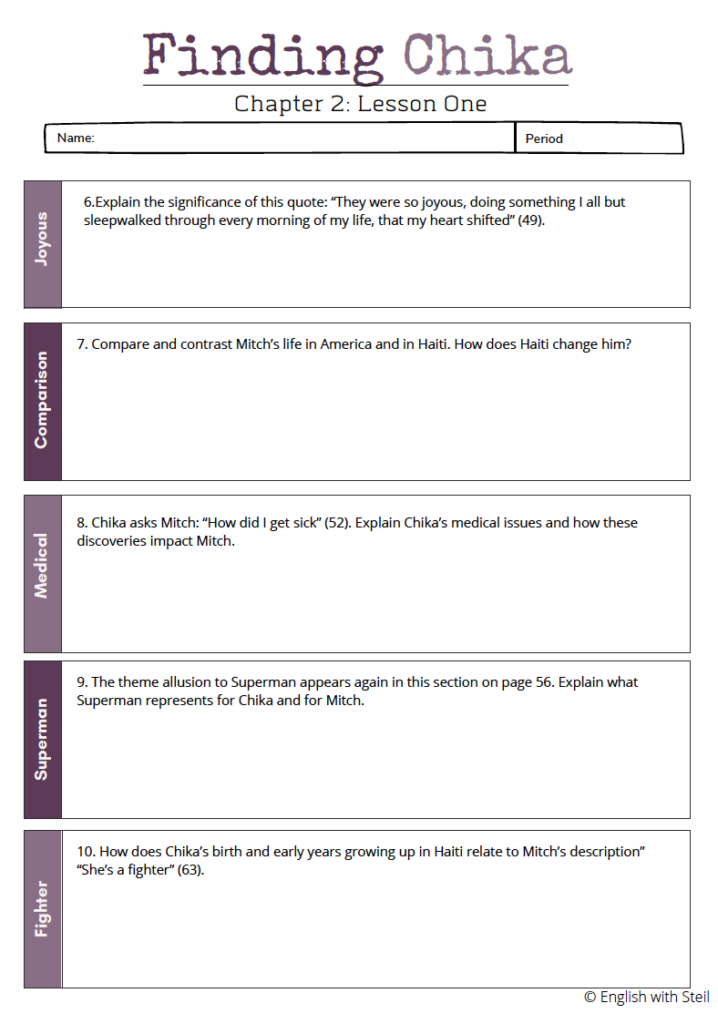
Core Themes Worth Exploring with Students
Redefining Family and Love
One of the most powerful aspects of Finding Chika is its portrayal of family. Albom shows students that family is not defined solely by biology, but by care, responsibility, and commitment. This theme resonates strongly with students who come from diverse family structures and experiences.
Resilience and Hope in the Face of Illness
Chika’s story is heartbreaking, but it is never hopeless. Students see resilience modeled through compassion, persistence, and love. This opens the door to meaningful conversations about strength, vulnerability, and how people respond to adversity.
Mortality, Meaning, and Acceptance
The memoir explores life’s fragility with honesty and grace. Albom reflects on what it means to live fully, even when time is limited. These reflections encourage students to think deeply about purpose, legacy, and what truly matters.
Journalism and Investigative Connections
Although Finding Chika is a memoir, it naturally connects to journalism and investigative storytelling. Albom approaches Chika’s life with the same care, curiosity, and ethical responsibility that strong journalists bring to sensitive stories.
Teachers can use the text to explore:
Ethical storytelling and representation
Researching real-world issues with empathy
Balancing facts with human narratives
Writing about trauma with respect and care
A powerful extension is asking students to research related real-world topics such as healthcare equity, international aid, or disaster recovery, then present their findings through an article, podcast, or feature story.
Classroom Ideas for Teaching Finding Chika
Thematic Tracking
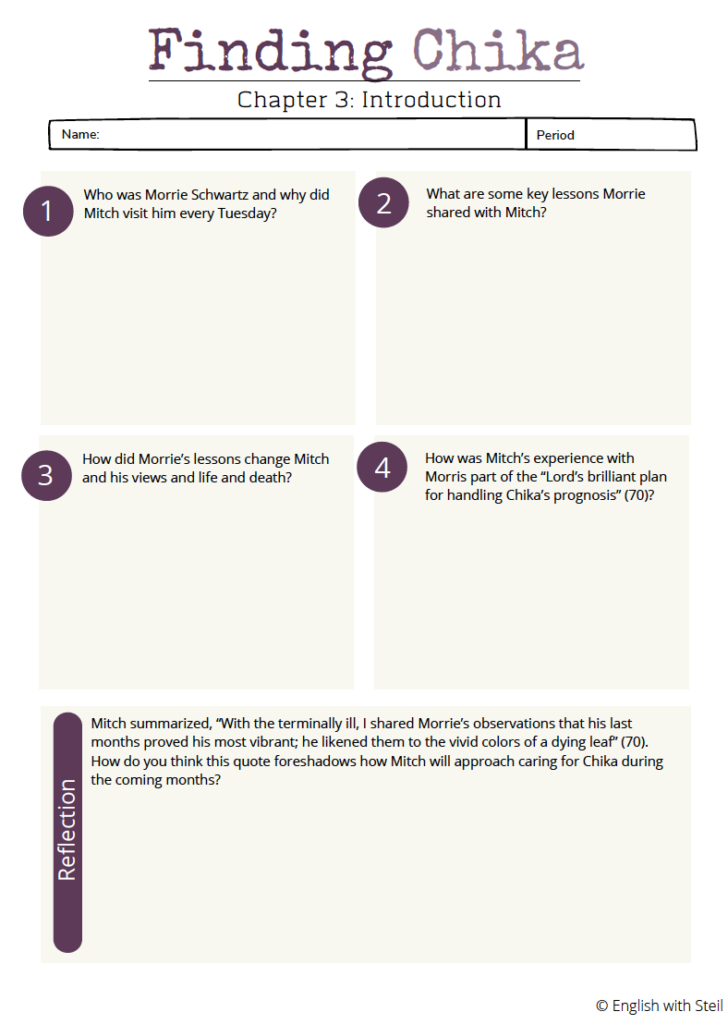
Have students track themes like family, resilience, and mortality across chapters, citing moments that shaped Albom’s understanding of love and responsibility.
Reflective Nonfiction Writing
Invite students to write a personal narrative or reflective essay about a time they learned an important life lesson. Emphasize voice, honesty, and connection to broader themes.
Research and Inquiry Projects
Students can investigate topics connected to the memoir, such as access to pediatric healthcare, orphan care systems, or global poverty. These projects strengthen research, synthesis, and presentation skills.
Ethical Discussions and Socratic Seminars
Use passages from the text to anchor discussions about ethical dilemmas, including healthcare decisions, international aid, and cultural responsibility.
Creative Response Projects
Students may create visual art, multimedia presentations, or photo essays that represent themes from the memoir. These projects allow emotional processing alongside academic analysis.
Investigative Journalism Connections
Why Teachers Love Teaching Finding Chika
Teachers consistently find that Finding Chika:
Engages reluctant readers
Sparks authentic discussion
Supports SEL and empathy-building
Aligns with nonfiction standards
Encourages meaningful writing
It is a text that invites care, reflection, and thoughtful conversation.
Ideas for Teaching Finding Chika
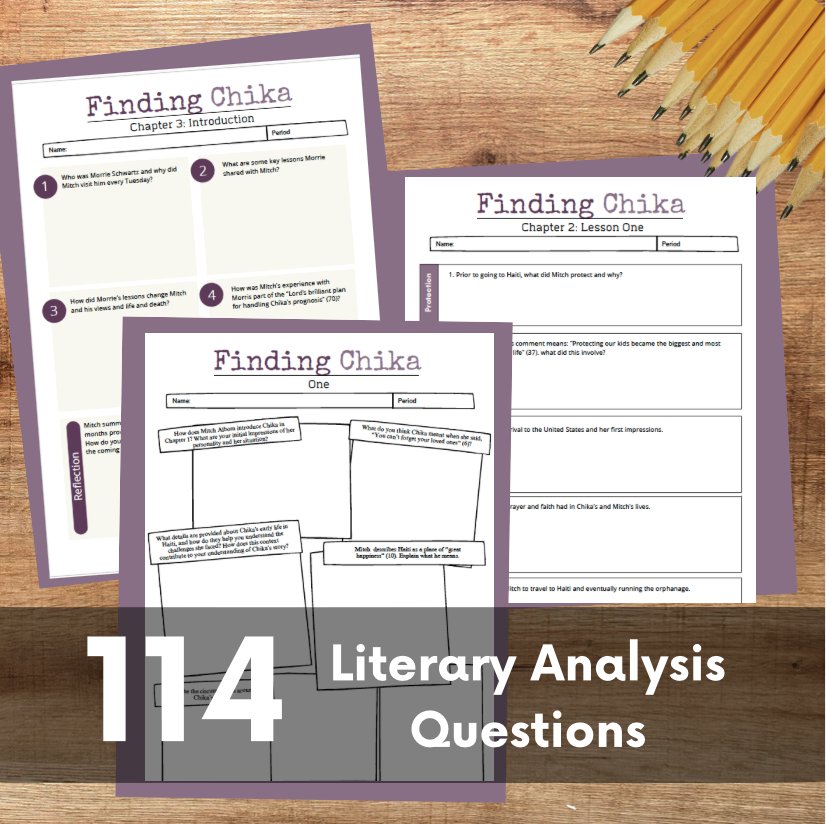
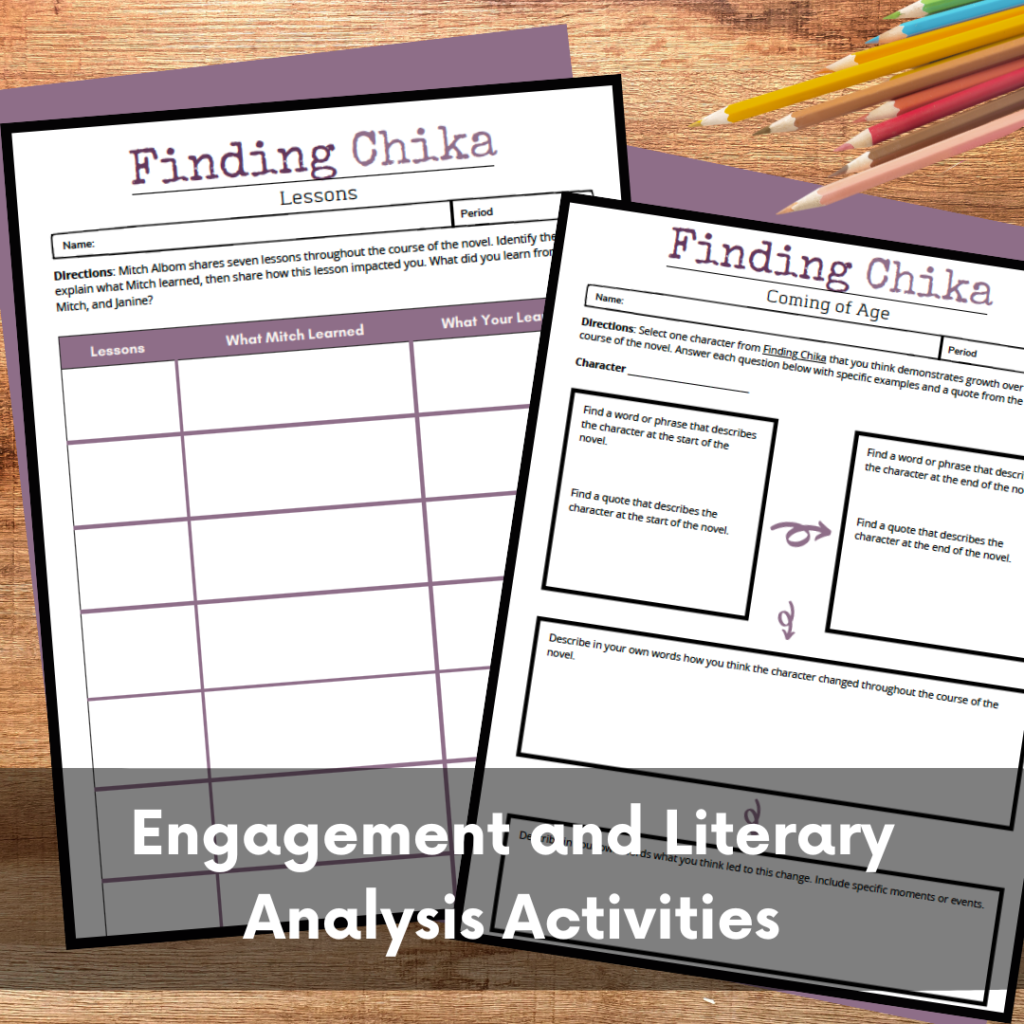
Theme Analysis: Have students track the themes of family, hope, and mortality throughout the text. Encourage them to connect these themes with their own experiences or current events.
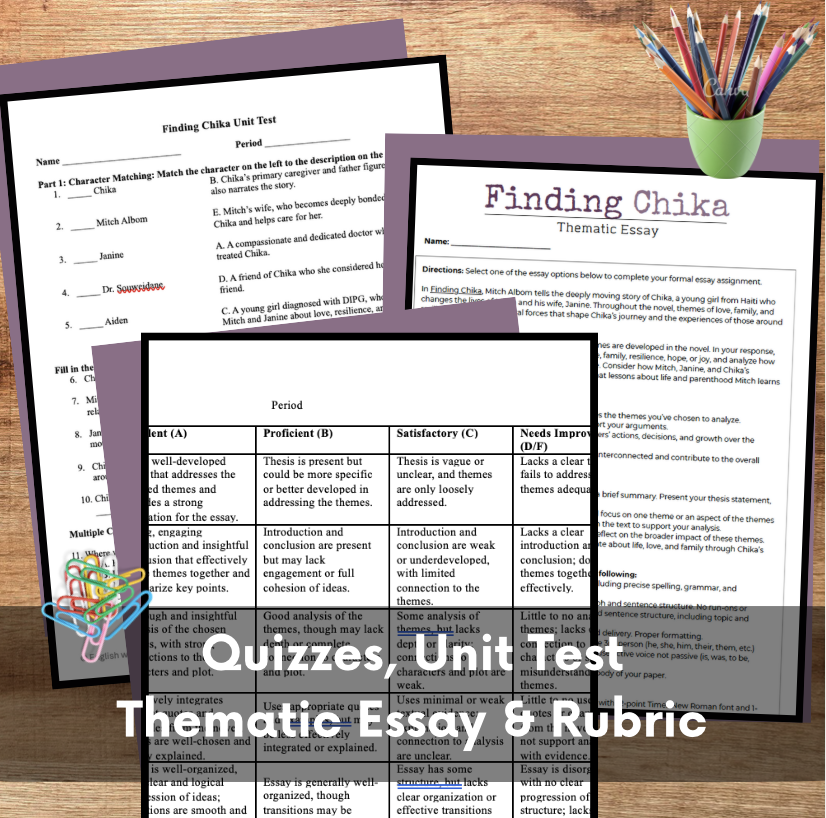
Nonfiction Writing Projects: After reading Finding Chika, assign students a personal narrative or reflective essay where they explore a time they faced adversity or learned a meaningful life lesson. Encourage them to reflect on the broader themes of love and resilience.
Research and Investigative Journalism: Task students with researching one of the topics covered in the book—such as global poverty, orphan care, or healthcare for children with terminal illnesses. They could then write a report or present their findings, drawing connections between their research and the memoir.
Debate and Discussion: Facilitate a classroom discussion on ethical dilemmas such as how far families should go to provide medical care, the ethics of international adoption, or the complexities of healthcare access in impoverished countries. Use passages from the memoir to anchor the discussion.
Creative Expression: Ask students to create a visual or multimedia project that represents one of the major themes in Finding Chika, such as resilience or family. This could be a painting, video, or photo series that expresses the emotions and lessons found in the text.
Final Thoughts
Teaching Finding Chika is not just about reading a memoir. It is about helping students understand the power of connection, the responsibility we hold toward others, and the impact of compassion in a complicated world.
Handled with care, this book becomes a space for growth, empathy, and deep learning. It is a nonfiction text that reminds students, and teachers, why stories matter.
Check Out These Resources from My Fellow Teacher Authors
If you are teaching Finding Chika or exploring memoir, empathy, and real-world nonfiction with students, these teacher-created resources pair beautifully with this text:
Teaching Memoir and Personal Narrative in Secondary ELA by Bespoke ELA
A thoughtful approach to helping students analyze memoir structure, author purpose, and emotional impact while supporting meaningful student writing.Using Nonfiction to Build Empathy in the Classroom by Secondary Sara
Practical strategies for guiding students through emotionally complex nonfiction texts with care and intention.How to Teach Sensitive Topics in ELA by The Daring English Teacher
Helpful guidance for navigating difficult conversations, trauma-informed instruction, and respectful discussion.Creative Response Projects for Any Novel or Memoir by Room 213
Student-centered ideas for visual, written, and multimedia responses that allow emotional processing alongside analysis.Teaching Nonfiction That Actually Engages Students by Write on With Miss G
Strategies for helping students connect personally to nonfiction texts while building critical thinking and discussion skills.Socratic Seminars for Meaningful Discussion by Cult of Pedagogy
A clear framework for facilitating respectful, thoughtful conversations around big ideas and ethical questions.