
There is a very specific look students give when you say the word poetry.
It is not excitement.
It is not curiosity.
It is usually somewhere between confusion and quiet dread.
For years, I felt that tension every time poetry popped up on my pacing guide. I wanted students to feel poetry, not just label rhyme schemes or count syllables. But I also knew that jumping straight into deep analysis or formal poems was a quick way to lose half the room.
What finally shifted things for me was this simple realization: students need permission to play with poetry before they’re asked to understand it.
Once I started treating poetry as something students experience instead of something they decode, everything changed.
Start with High-Interest Activities
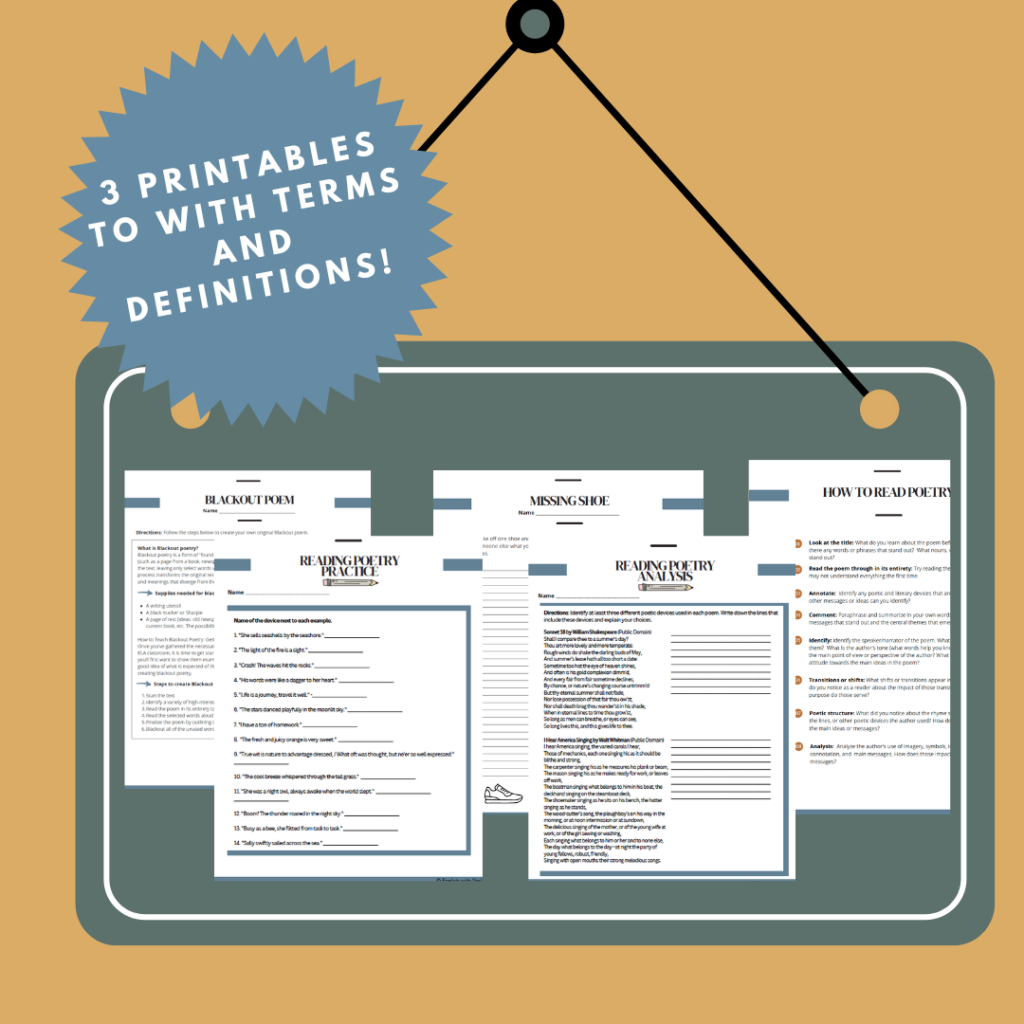
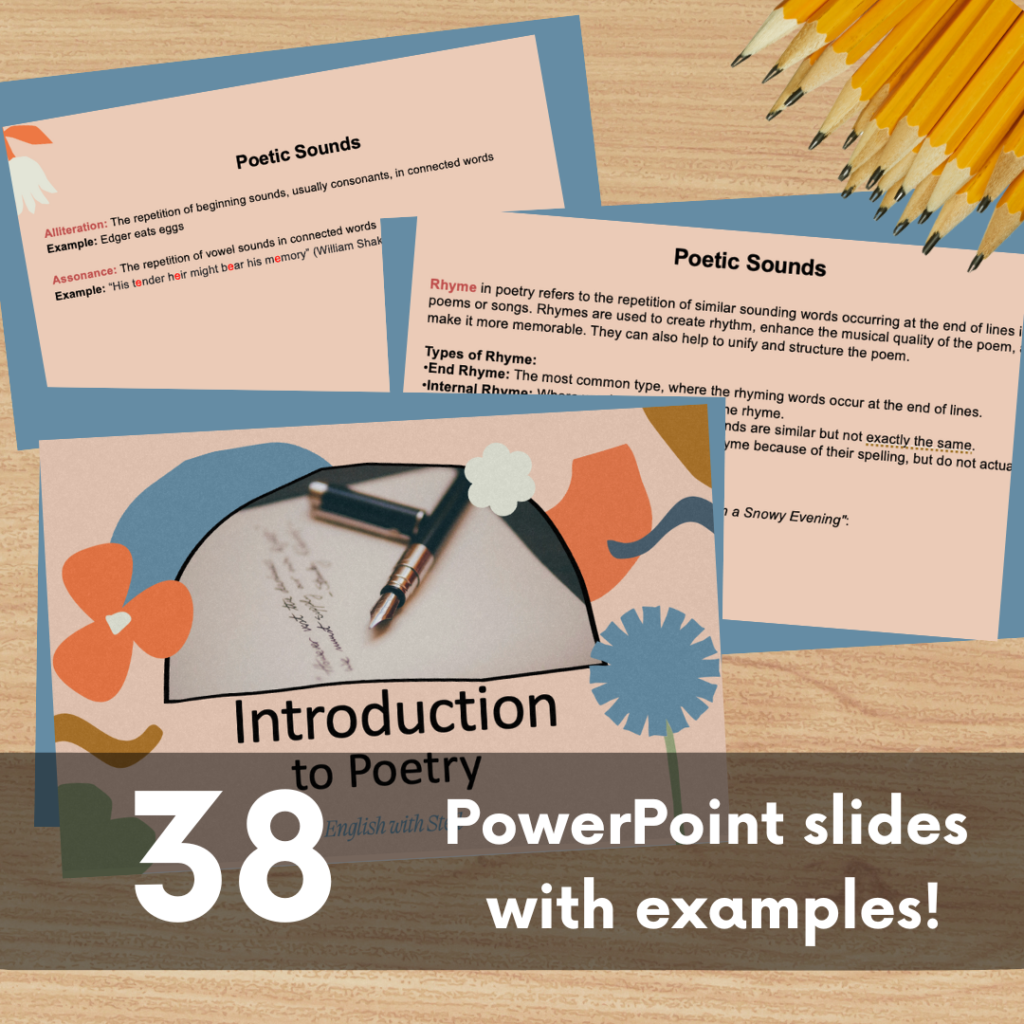
One of the best ways to engage students is by starting with activities that capture their interest and imagination. Here’s a poetry pack designed to do just that! This resource includes high-interest writing activities that will show your emerging poets how to write a variety of poems. From blackout poetry to creating poems about everyday items, these activities are sure to spark creativity and enthusiasm.
Start with High-Interest, Low-Pressure Poetry Activities
When I introduce poetry now, I do not begin with definitions, devices, or historical context. I start with curiosity.
One of the easiest ways to hook students is through writing activities that feel creative, visual, and unintimidating. Blackout poetry is always a hit because it feels more like art than writing. Poems about everyday objects, like shoes or breakfast foods, immediately lower the stakes and invite humor. Students who swear they “hate poetry” will still engage if the entry point feels familiar and low risk.
At this stage, I am not grading for mastery. I am watching for participation, risk-taking, and willingness to try.
That shift alone makes poetry feel accessible to even the most reluctant writers.
Teach Students How to “Read” Poetry (Without Overwhelming Them)
Once students have written poetry, they are much more open to reading it.
I always take time to introduce shared language around poetry, but I keep it simple and practical. Instead of front-loading every poetic term, we focus on what students actually notice first. Line breaks. Word choice. Repetition. Mood.
Giving students clear, student-friendly definitions they can reference as they work removes a lot of anxiety. They do not need to memorize every term to engage meaningfully. They just need a way to talk about what they are seeing and feeling.
This is where poetry starts to feel less mysterious and more approachable.
Use Interactive Games to Reinforce Poetic Devices
Poetry terminology sticks better when it feels like a game instead of a lecture.
Interactive review games, like a poetry-themed Jeopardy, work especially well after students have already experimented with writing. At that point, the terms actually mean something to them.
I like using games as a quick warm-up or review before asking students to revise a poem or analyze a new one. The competition keeps energy high, and students are far more willing to take risks when the atmosphere feels playful.
Encourage Creative Writing With Specific, Engaging Prompts
Blank pages are intimidating. Good prompts are not.
Structured poetry prompts give students just enough direction to get started without boxing them in. Mimic poems are especially effective because students can focus on ideas and voice instead of worrying about form. Prompts like “Missing Shoe” or “What’s for Breakfast?” invite storytelling and personal connection while still teaching poetic techniques.
These kinds of prompts help students realize that poetry does not have to be abstract or overly emotional. It can be funny, weird, ordinary, and honest.
That realization is huge.
Use Technology Thoughtfully to Spark Ideas
When used intentionally, technology can support creativity rather than replace it.
I sometimes let students explore AI-generated poems as mentor texts. We talk about what works, what feels flat, and how human voice changes a piece of writing. Students can borrow ideas or structures, but the goal is always to revise and make the poem their own.
This approach opens up conversations about voice, originality, and authorship while also building digital literacy skills.
Think Beyond the Single Assignment
One of the most meaningful shifts I made was giving students a place to collect their poetry.
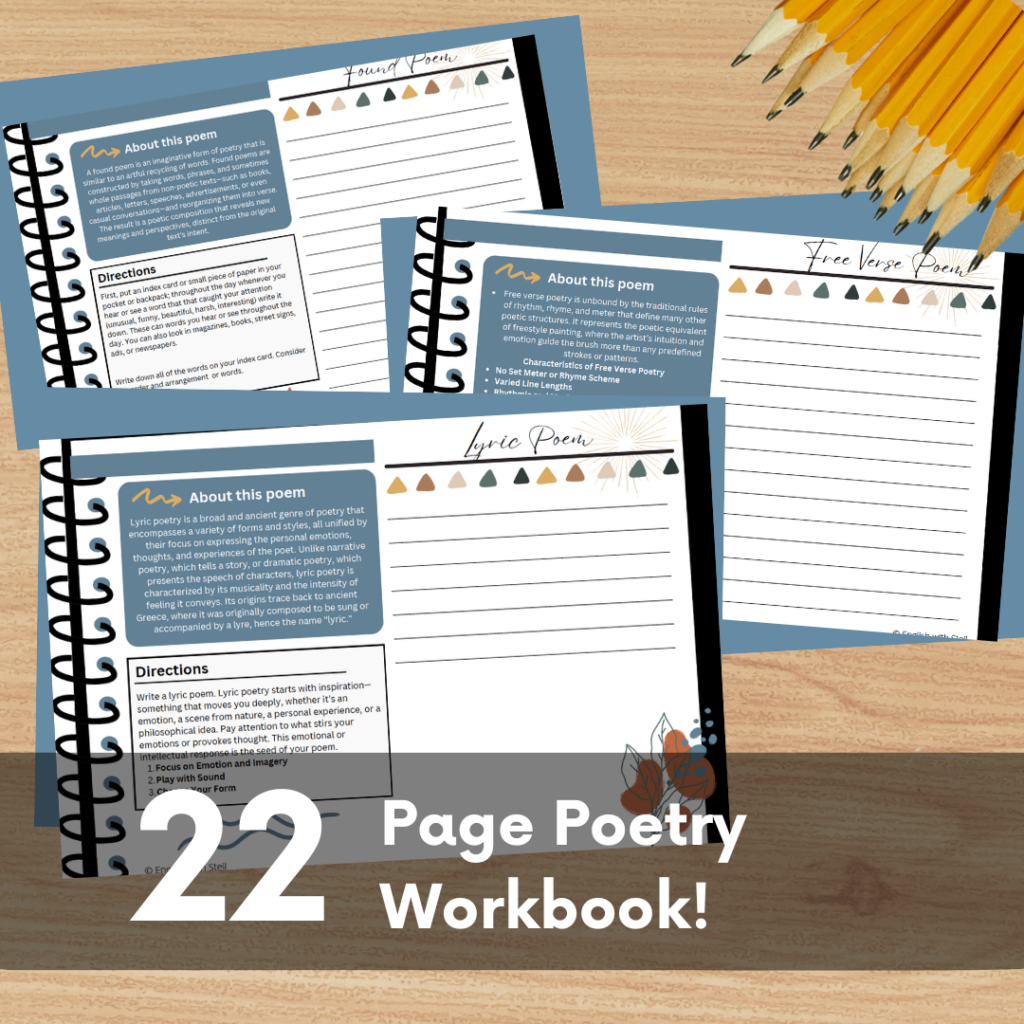
Instead of loose pages that disappear into backpacks, students compile their work into a poetry workbook or mini collection. Over time, they can see how their confidence and craft grow. For many students, this becomes a keepsake rather than just another graded assignment.
Displaying student poems around the room or hosting a casual poetry reading reinforces that their writing matters. It sends a clear message that their voices are worth sharing.
Keep Poetry Fun, Flexible, and Low Pressure
The biggest mistake I made early on was trying to make poetry too serious too fast.
When poetry feels like a test, students shut down. When it feels like an invitation, they lean in.
Keeping the tone relaxed, offering choice, and celebrating effort over perfection creates a classroom culture where students are willing to take risks. And once that happens, the analysis and deeper thinking come much more naturally.
Think Outside the Box: Creative Ideas for Embedding Poetry
1. Create a Keepsake
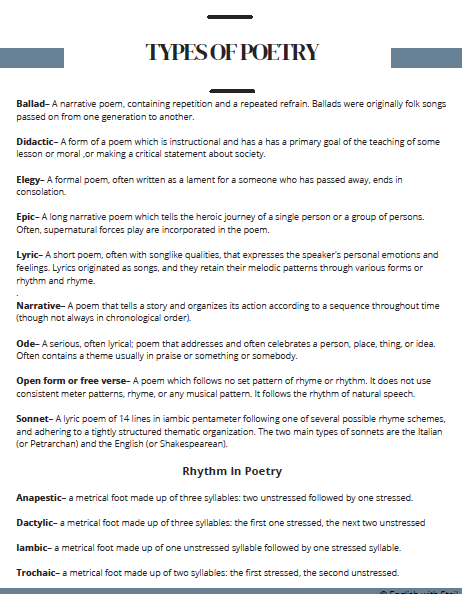
Provide students with a beautifully designed printable workbook where they can compile their poems. This 22-page workbook includes 14 different poem templates, definitions, and poetic structures. It serves as a keepsake that students can be proud of and look back on, showcasing their progress and creativity.
2. Hands-On Fun Writing Activities
This resource includes 7 hands-on writing activities that cater to all learning styles. These activities are designed to inspire every student, ensuring that poetry becomes an inclusive and enjoyable subject. The activities are ready-to-go, requiring minimal preparation from teachers—just print and go!
3. Showcase Student Work
Display your students’ poems around the classroom or create a poetry book. Celebrating their work boosts confidence and shows them that their voices are valued. Consider hosting a poetry reading where students can share their creations with peers and parents.
4. Keep it Fun and Low Pressure
Remember, the goal is to make poetry fun and engaging. Keep the atmosphere relaxed and encourage students to express themselves freely without fear of judgment. This approach will help even the most reluctant learners to open up and enjoy writing poetry.
Final Thoughts
Poetry does not have to be a battle.
With the right entry points, clear support, and space for creativity, poetry can become one of the most engaging parts of your ELA curriculum. When students are given permission to play with language first, they are far more willing to examine it later.
If you are looking for ways to make poetry feel more approachable, meaningful, and student-centered, start small. Lead with curiosity. And trust that when students feel safe to experiment, real learning follows.
Happy teaching.
Check out these resources from my fellow teacher authors
If you’re building out a poetry unit or just looking for a few fresh ideas to mix things up, these are resources I regularly recommend. Each one comes from a teacher who understands the balance between engagement, rigor, and real-world classroom constraints.
How to Teach Poetry When You’re Short on Time by Secondary Sara
A practical, teacher-tested look at fitting meaningful poetry instruction into real classroom schedules without sacrificing depth or creativity.
National Poetry Month: A Whole Month of Poetry Activities for Secondary ELA by Bespoke ELA
A thoughtfully curated collection of poetry activities that balance engagement, rigor, and flexibility. Perfect if you want variety without reinventing your lesson plans every day.
The Cutest Literary Analysis by Laura Randazzo
A great reminder that short texts, including poems, can be powerful tools for building literary analysis skills without overwhelming students.

Final Thoughts
With these tips, tricks, and the comprehensive poetry pack, you have all the tools you need to inspire your students to love writing poetry. This resource includes everything from reading and understanding poetry to creating original works, ensuring a well-rounded and enjoyable poetry unit. Embrace the joy of poetry and watch your students’ creativity flourish! you can Transform your poetry lessons into a dynamic and enjoyable experience for all your students. Happy teaching!
Check out these resources from my fellow teacher authors
How to Teach Poetry When You’re Short on Time by Secondary Sara
National Poetry Month: A WHOLE MONTH of Poetry Activities for Secondary ELA by Bespoke ELA

