The last few weeks of the school year feel different in a journalism classroom.
Deadlines ease up.
Final projects are turned in.
The room is a little quieter than usual.
And that is when I start thinking about something that matters just as much as curriculum: recognition.
Journalism classes ask a lot of students. They collaborate constantly, take creative risks, revise endlessly, and put their work out into the world. By the end of the year, I want students to leave feeling seen for the work they did and the growth they made, not just the grades they earned.
That is why I always end the year with journalism awards.
The Value of Celebrating Your Students
Celebrating your students is more than just a way to mark the end of the academic year; it’s an opportunity to acknowledge their growth, dedication, and unique contributions. Here are a few reasons why celebrating your students is so valuable:
Boosts Morale and Motivation: Recognizing students’ efforts and achievements boosts their morale and encourages them to continue striving for excellence.
Builds Confidence: Receiving an award can significantly enhance a student’s self-esteem and confidence, particularly in their abilities as a journalist.
Encourages Positive Behavior: Awards can reinforce positive behaviors and skills, such as teamwork, creativity, and ethical journalism.
Fosters a Sense of Community: Celebrating together fosters a sense of camaraderie and belonging among students, creating a supportive and collaborative learning environment.
Highlights Individual Strengths: Personalized awards highlight each student’s unique strengths and contributions, making them feel valued and appreciated.

Why End-of-Year Recognition Matters in Journalism
Awards are not about competition in my classroom. They are about reflection.
Over the course of the year, students develop skills that are easy to overlook in the rush of deadlines: persistence, curiosity, ethical decision-making, teamwork, leadership, and voice. Taking time to name those strengths helps students recognize their own growth.
It also shifts how they remember the class. Instead of focusing on stress or mistakes, they leave remembering what they did well.
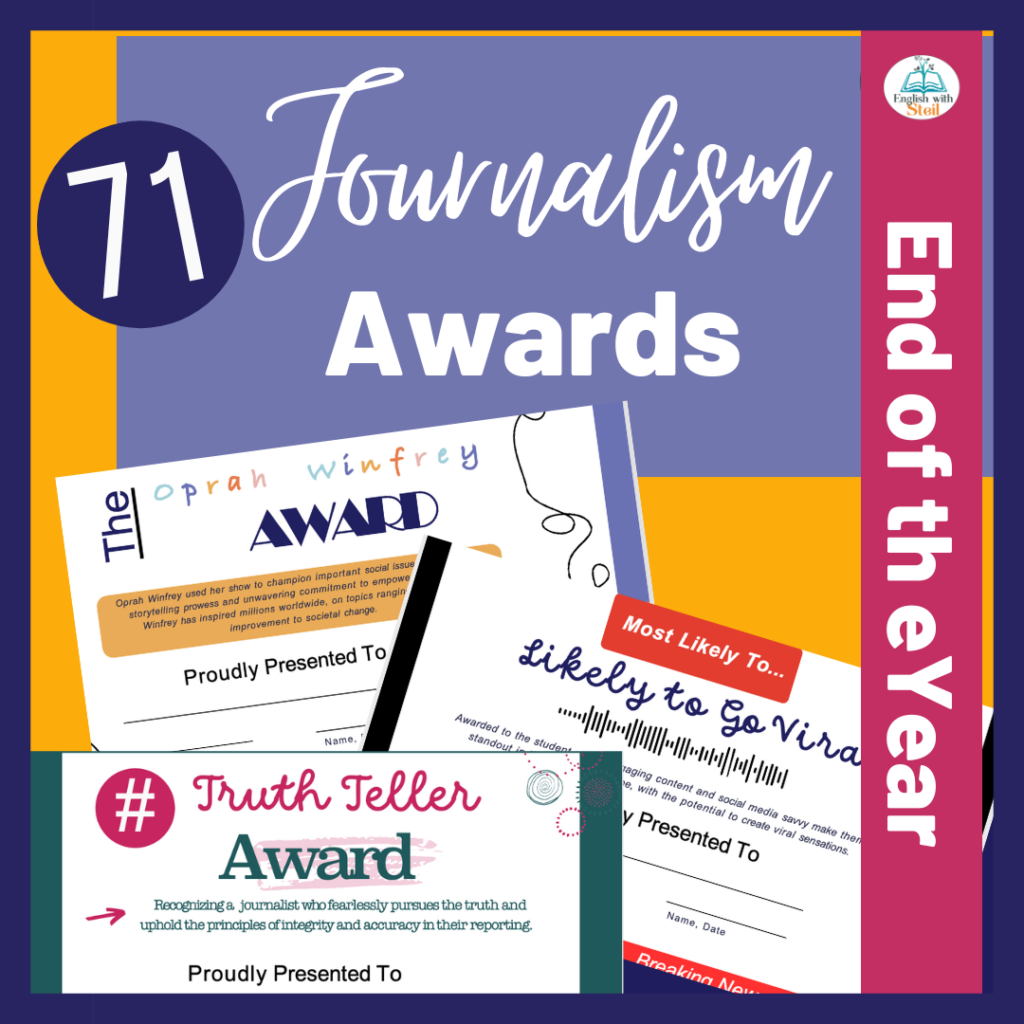
Help your students stand out with these graphically appealing end-of-the-year journalism awards, perfect for any multimedia journalism or yearbook class. These editable certificates allow you to recognize and personalize your students’ skills, individual contributions, and successes.
Why Journalism Awards Feel Different From Traditional Awards
Journalism students often work behind the scenes. Some write quietly. Some photograph moments others miss. Some are the steady editors who hold everything together.
Generic awards rarely capture that.
Journalism awards work best when they are specific, personal, and connected to real skills. When students hear their name paired with a strength they recognize, it lands differently.
That is what makes this ceremony meaningful.


How I Organize Journalism Awards Without It Feeling Forced
Rather than rushing through awards at the very end, I treat the ceremony as a moment to pause and reflect on the year.
I choose a mix of awards that highlight professional skills, growth, and personality. Some are serious. Some are lighthearted. All are intentional.
Professional Journalism Awards
These awards connect student work to real journalism roles and help students see themselves as part of the profession.
Students might be recognized for news writing, photography, editorial leadership, broadcast work, or sports coverage. I love that these awards naturally reinforce the idea that journalism is a collection of roles working together.
Each award becomes a conversation about what that role actually requires.
“Most Likely To” Awards
These are always a favorite.
These awards let students imagine where their skills could take them next. Whether it is “Most Likely to Interview a Celebrity” or “Most Likely to Start a Media Company,” these recognitions are playful but affirming.
They tell students, I see what you are capable of.
#Hashtag Awards
These are perfect for capturing modern journalism skills.
Awards like #EthicsChampion or #CommunityConnector allow you to name values that matter just as much as technical skill. Students often smile when they hear these, but they also recognize the truth behind them.
It is a subtle way to reinforce what your program stands for.
How I Run the Awards Ceremony
The ceremony itself does not need to be elaborate to be meaningful.
I usually decorate the room lightly and share a slideshow of student work from the year. As each award is presented, I say a few sentences about why that student is receiving it. That explanation is often more important than the certificate.
If time allows, I invite students to applaud, laugh, and celebrate each other. It becomes a shared moment rather than a teacher-led checklist.
Professional Journalist Awards
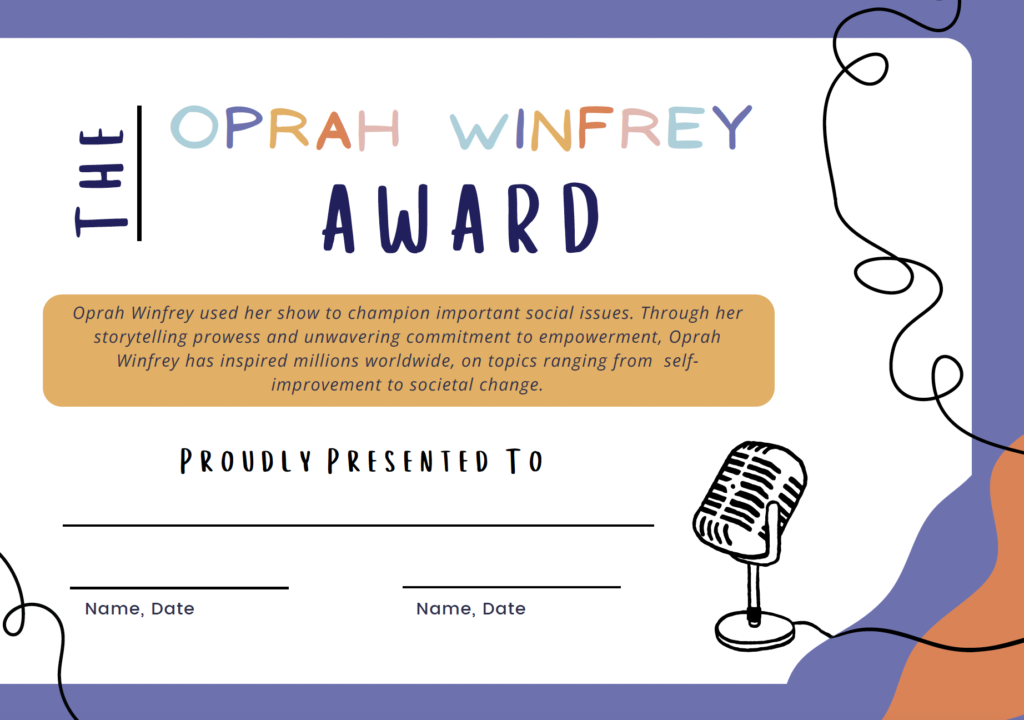
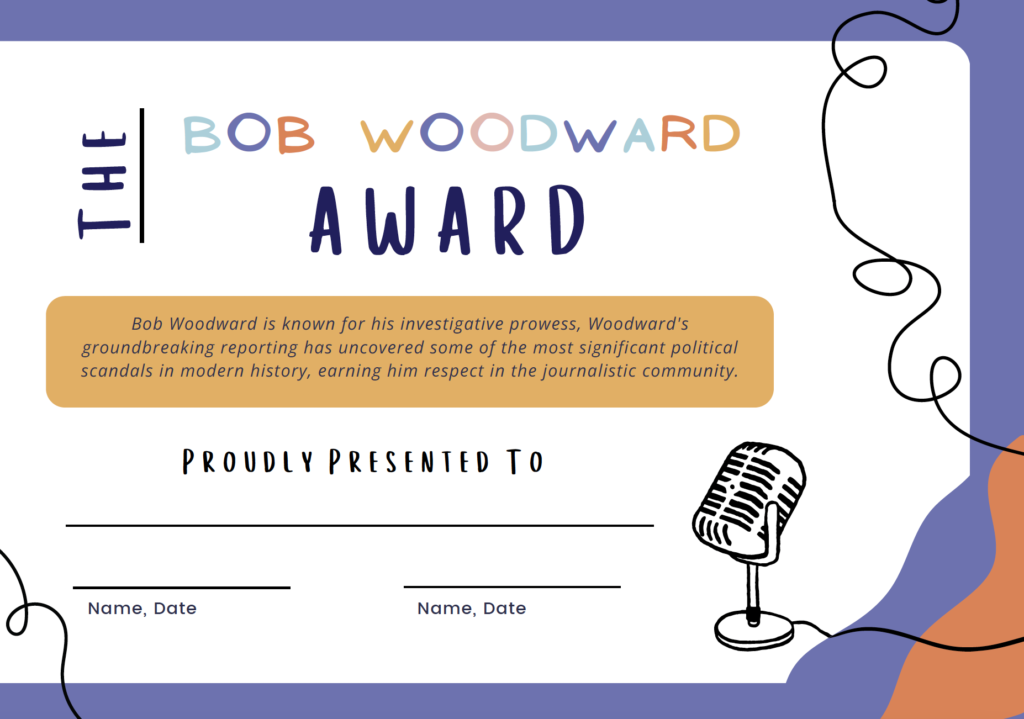
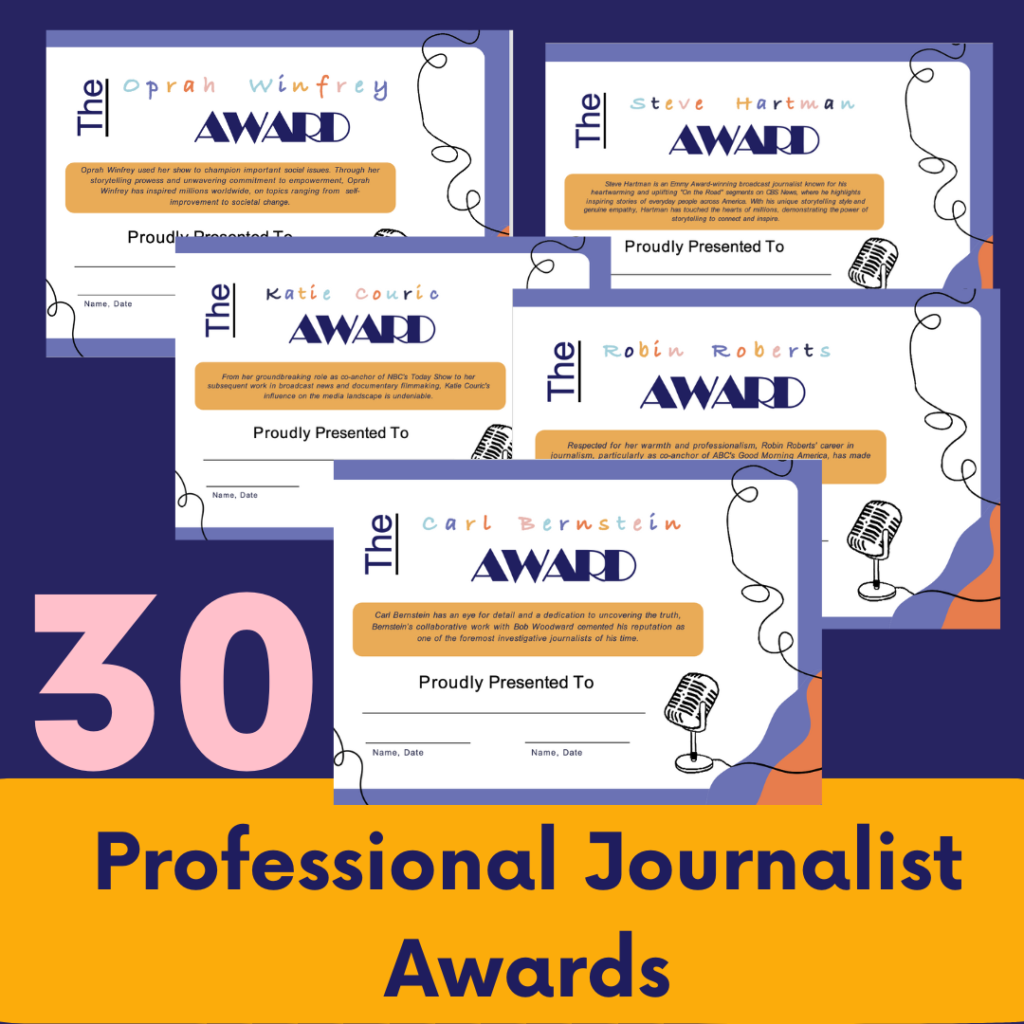
The Professional Journalist Awards pack includes 30 editable certificates, each named after a noteworthy journalist and detailing their accomplishments. This not only honors your students but also educates them about influential figures in journalism. Categories include:
- News: Recognize students who excel in reporting and writing news articles.
- Editorial: Award those who have shown outstanding editorial skills and critical thinking.
- Broadcast: Celebrate students who have shined in video and audio journalism.
- Sports: Acknowledge the efforts of sports reporters and photographers.
- Review: Highlight students who have written exceptional reviews on various topics.
- Photography: Honor those with an eye for capturing compelling images.
Each certificate can be personalized with the student’s name, making it a meaningful keepsake.
Most Likely To…
This pack includes 25 editable certificates, each with a fun and imaginative category. These awards encourage students to dream big and envision their future in journalism. Examples include:
- “Most Likely to Interview a Celebrity”
- “Most Likely to Win a Pulitzer Prize”
- “Most Likely to Start a Media Company”
These playful yet inspiring awards can spark students’ aspirations and ambitions.
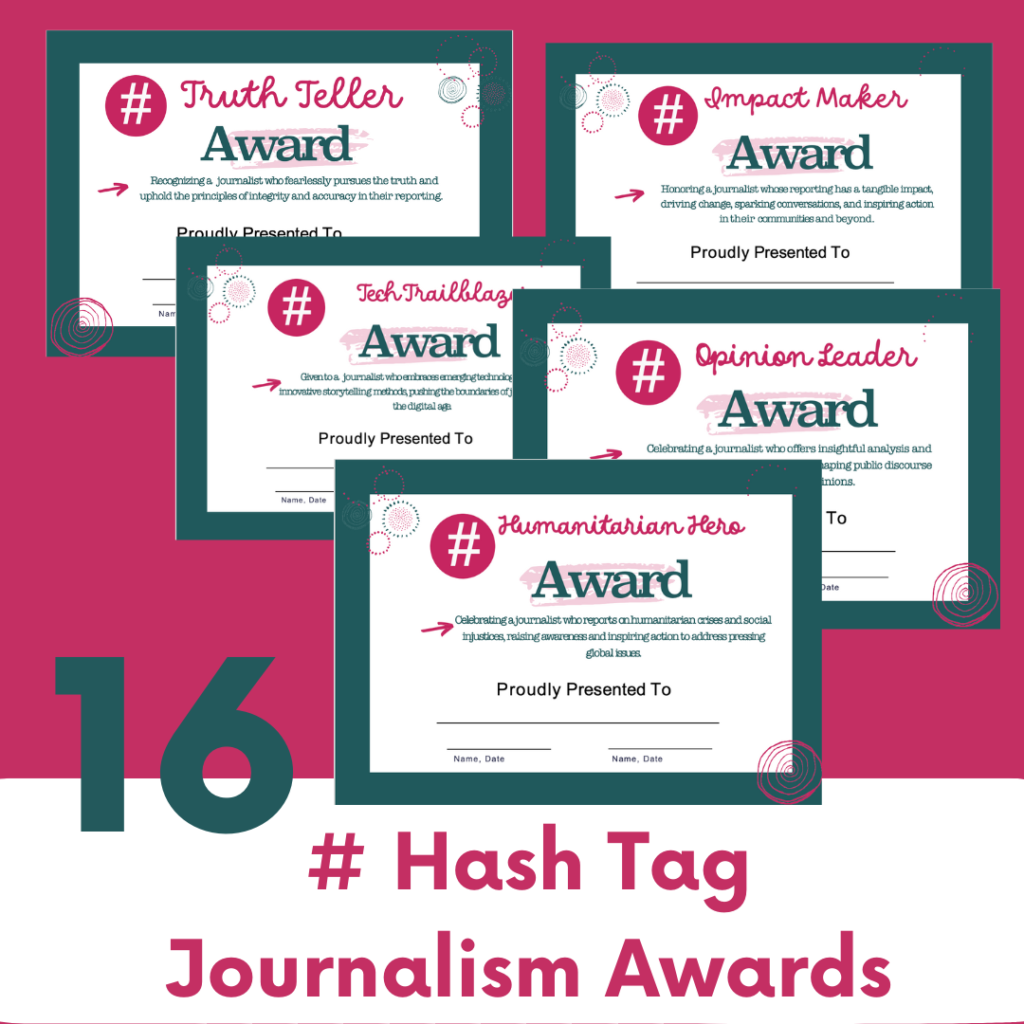
#Hashtag Awards
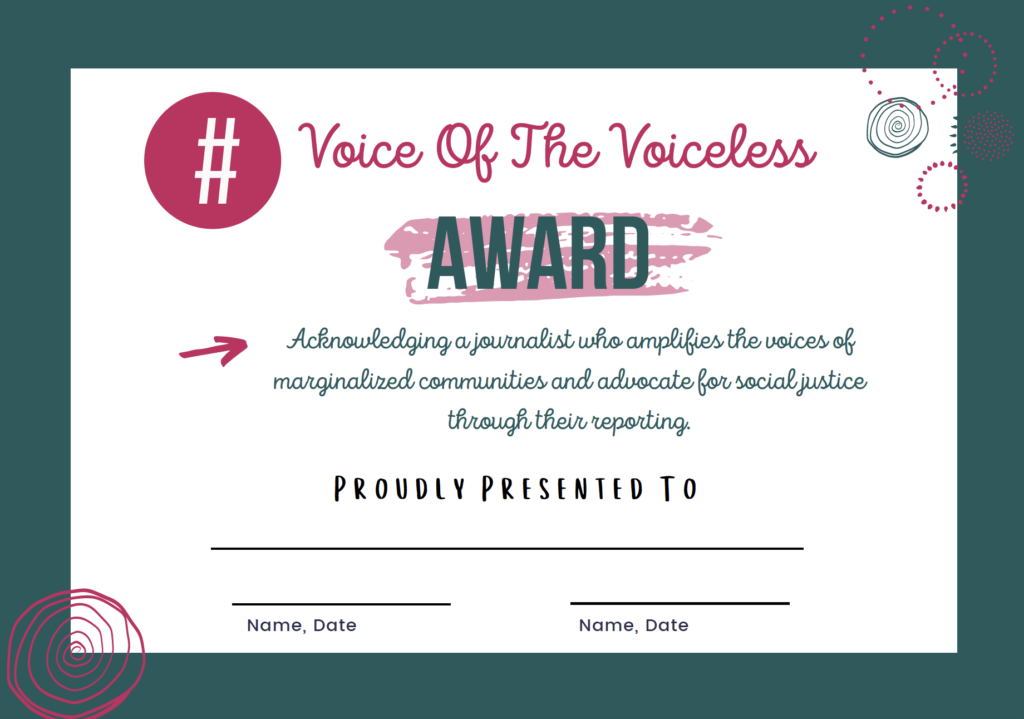
Incorporate some modern flair with the #Hashtag Awards, featuring 16 editable certificates. Each certificate includes a category and a short description, making them perfect for today’s digital-savvy students. Examples include:
- #EthicsChampion: For students who consistently uphold journalistic integrity.
- #CommunityConnector: For those who excel in connecting with and reporting on the community.
- #ImpactMaker: For students whose work has made a significant impact.
Why This Approach Works
What I notice most is how students respond afterward.
They keep the certificates.
They take photos.
They talk about each other’s awards with pride.
For some students, this is the first time their creative work has been publicly recognized. That matters.
It reinforces that journalism is not just an assignment. It is a craft worth celebrating.
To make this day manageable, I use a set of editable journalism awards that gives me plenty of options to recognize different strengths. I do not use every category. I choose the ones that fit my class culture and the year we had. Having that flexibility makes it easier to focus on what really matters: celebrating students thoughtfully, not scrambling at the last minute.
A Note If You Want to Try This
If you want an easy way to organize end-of-year journalism awards, I use a set of editable certificates that includes a wide range of categories so every student can be recognized meaningfully. You can choose the awards that fit your class culture and leave the rest.
The goal is not to use everything. It is to make the celebration feel personal.
How to Implement the Awards Ceremony
Plan Ahead: Decide on the categories and personalize the certificates in advance. Make sure to include a mix of serious and fun awards to cater to different aspects of journalism.
Create a Festive Atmosphere: Decorate your classroom or virtual space to make the ceremony feel special. Consider having a slideshow of students’ work throughout the year.
Invite Guests: If possible, invite parents, other teachers, or even local journalists to attend and celebrate your students’ achievements.
Present the Awards: During the ceremony, share a few words about each student’s contributions and why they are receiving the award. This personal touch can make the experience more meaningful.
Celebrate Together: After the awards, have a small celebration with snacks, music, or a video compilation of the year’s highlights.
Final Thoughts
Ending the year with journalism awards is one of my favorite days of the course.
It reminds students how far they have come.
It reminds me why this work matters.
And it sends students into summer knowing that their voices, effort, and creativity were noticed.
That is a powerful way to end the year.
Happy teaching.
Looking for More Meaningful End-of-Year Ideas?
If you’re wrapping up a journalism, ELA, or media course and want ideas that focus on reflection and celebration rather than busywork, these resources from fellow teacher-authors pair beautifully with an end-of-year awards approach.
End of the Year Journalism Award Certificates (Semi Editable): Daring English Teacher
End-of-Year Reflection Ideas for Secondary ELA by Secondary Sara
Practical ways to help students reflect on growth and learning without adding stress at the end of the year.
Meaningful End-of-Year Activities That Aren’t Finals by Bespoke ELA
A thoughtful collection of alternatives to traditional exams that center student voice and reflection.
Celebrating Student Growth Instead of Grades by Laura Randazzo
A powerful reminder that recognition and reflection matter just as much as assessment.