
There are some texts that stay with students long after the unit ends.
Maya Angelou’s Maya Angelou’s I Know Why the Caged Bird Sings is one of them.
This is not a book students simply read and move on from. It asks them to wrestle with identity, voice, trauma, racism, resilience, and what it means to be heard in a world that often tries to silence certain stories. Teaching this text well requires more than comprehension questions. It requires intention, care, and space for reflection.
If you are planning a unit around I Know Why the Caged Bird Sings, these ideas are designed to help students engage deeply with the text while building critical thinking, empathy, and literary analysis skills in a meaningful way.
Setting the Stage: Historical Context
First things first: your students need some context to truly appreciate the depth of Angelou’s story. Spend a class or two unpacking the socio-political climate of the mid-20th century. Dive into topics like segregation, the Civil Rights Movement, and what life was like for African Americans during that era. Use primary sources like photos, speeches, or even music from the time to immerse your students in the world Angelou grew up in. Trust me, this background will make the book’s themes hit so much harder.
1. Build Historical Context Before You Open the Book
Students need context to fully understand the weight of Angelou’s experiences.
Before reading, spend time unpacking the historical and social climate of the mid-20th century. Discussions of segregation, Jim Crow laws, and the Civil Rights Movement give students the background they need to recognize why certain moments in the memoir matter so deeply.
Primary sources work especially well here. Photographs, speeches, music, and news headlines from the era help students visualize the world Angelou describes and ground the text in real history. This foundation makes themes of racism, resilience, and resistance far more impactful once students begin reading.
2. Introduce Maya Angelou as More Than an Author
Maya Angelou’s life story adds essential depth to the memoir.
Students benefit from learning about her work beyond this text, including her roles as a poet, performer, activist, and civil rights leader. Watching clips of Angelou reading her poetry or speaking in interviews allows students to hear her voice and understand the strength behind her words.
This step helps students see Angelou as a whole person shaped by lived experience, not just a name on a book cover. That understanding changes how they approach the text.
3. Center Discussion on Big Ideas, Not Just Plot
This memoir invites powerful discussion when students are given space to think and talk.
Small-group or whole-class discussions focused on big questions help students process complex themes. Questions about identity, self-expression, family influence, trauma, and resilience encourage deeper thinking and personal connection.
Structured discussion strategies, such as rotating roles or talking pieces, can help ensure that all students feel comfortable participating. When students are heard, the text becomes a shared experience rather than an individual assignment.
Let’s Talk: Group Discussions
Open up the floor for group discussions about the book’s themes and characters. Ask big, juicy questions like:
How do identity and self-expression evolve throughout the story?
What role does family play in Marguerite’s journey?
How does resilience manifest in the face of trauma?
Encourage your students to share their perspectives and make personal connections. Pro tip: Use a talking stick or some other fun method to make sure everyone gets a chance to speak.


4. Use Character Analysis to Explore Growth and Conflict
Character study works especially well with this text.
As students analyze Marguerite and other key figures, they begin to see how trauma, support systems, and environment shape growth. Asking students to track motivation, change, and obstacles helps them move beyond surface-level reading.
Creative formats like character journals, visual “scrapbooks,” or short presentations allow students to demonstrate understanding while engaging different learning styles.
5. Invite Creative Responses to the Text
Creative work allows students to process difficult themes in meaningful ways.
Artistic responses, original poetry, or short narrative pieces inspired by the memoir give students opportunities to engage emotionally and intellectually. These assignments encourage students to respond to Angelou’s message rather than simply analyze it.
Creative options are especially valuable for students who may struggle to articulate their thinking through traditional essays alone.
6. Incorporate Multimedia and Research Projects
Multimedia projects add depth while building transferable skills.
Students can research topics such as historical context, symbolism, or recurring themes and present their findings using digital tools like Google Slides or Canva. Including audio, images, or music from the era strengthens engagement and reinforces research and presentation skills.
These projects work well as individual or collaborative assignments and can be scaled for different grade levels.


7. Use Role-Playing to Build Empathy and Understanding
Role-playing activities allow students to step into the text.
Reenacting key moments or imagining conversations between characters encourages empathy and deeper understanding of emotional stakes. These activities work best when framed thoughtfully and paired with reflection so students can process what they experience.
Interactive approaches like this help students connect to the memoir on a human level.
8. Encourage Reflection Through Journaling
Journaling creates space for students to think privately and honestly.
Regular reflection prompts give students a low-pressure way to respond to the memoir’s themes. Questions about resilience, voice, and identity help students connect the text to their own lives while respecting personal boundaries.
Journals also provide valuable insight into student thinking that may not surface during discussion.
Extend Learning Through Text-to-Text Connections
Comparing I Know Why the Caged Bird Sings to other memoirs, poems, or historical texts helps students recognize universal themes of perseverance and injustice. Pairing Angelou’s work with other voices allows students to see patterns across time and experience.
These comparisons strengthen analytical skills and deepen understanding.
Walk in Their Shoes: Role-Playing
Here’s a fun one: have your students role-play as characters from the book. They can reenact key scenes or create hypothetical “what happens next?” scenarios. This interactive activity fosters empathy and a deeper understanding of the characters’ struggles.
Journaling: Reflect and Connect
Encourage your students to keep a journal as they read. They can jot down reflections, emotional responses, or personal connections to the text. Prompt them with questions like, “How would you feel in Marguerite’s shoes?” or “What does resilience mean to you?” Journaling is a low-pressure way to process big ideas.
Draw Parallels: Comparisons with Other Works
How does I Know Why the Caged Bird Sings stack up against other literary works or historical events? Maybe compare it to The Diary of Anne Frank or contemporary stories about overcoming adversity. This can spark some really eye-opening discussions.
Take It Outside: Field Trips and Guest Speakers
If you can swing it, field trips and guest speakers are game-changers. Visit a museum exhibit on the Civil Rights Movement or invite a speaker to share their experiences related to the book’s themes. These real-world connections make the text come alive.
A Final Thought
Teaching I Know Why the Caged Bird Sings is not just about literary analysis. It is about helping students listen to voices that matter, reflect on systems that shape lives, and consider their own capacity for resilience and growth.
When taught with care and intention, this text becomes more than a unit. It becomes a moment students carry with them.
And as their teacher, you are the guide who helps make that possible.
Check Out These Resources from My Fellow Teacher Authors
If you are teaching I Know Why the Caged Bird Sings or other texts that ask students to wrestle with identity, voice, and lived experience, these posts from fellow teacher-authors offer thoughtful, classroom-tested approaches that pair well with this unit:
Teaching Memoir with Care and Intention by Room 213
A compassionate look at teaching memoirs that deal with trauma, identity, and voice while maintaining strong academic expectations.How to Teach Trauma-Informed Texts in ELA by Room 213
Practical guidance for creating space, boundaries, and reflection when teaching emotionally complex texts.Teaching Poetry and Memoir Together by Bespoke ELA
A smart approach to pairing memoirs with poetry to deepen theme, symbolism, and voice analysis.Using Journals to Support Student Reflection by Secondary Sara
Great ideas for low-pressure journaling that helps students process big ideas without overexposure.The Cutest Literary Analysis (Using Short, Powerful Texts) by Laura Randazzo
A reminder that short texts—especially poems connected to memoir—can do heavy analytical lifting without overwhelming students.
Buy Yours Now!
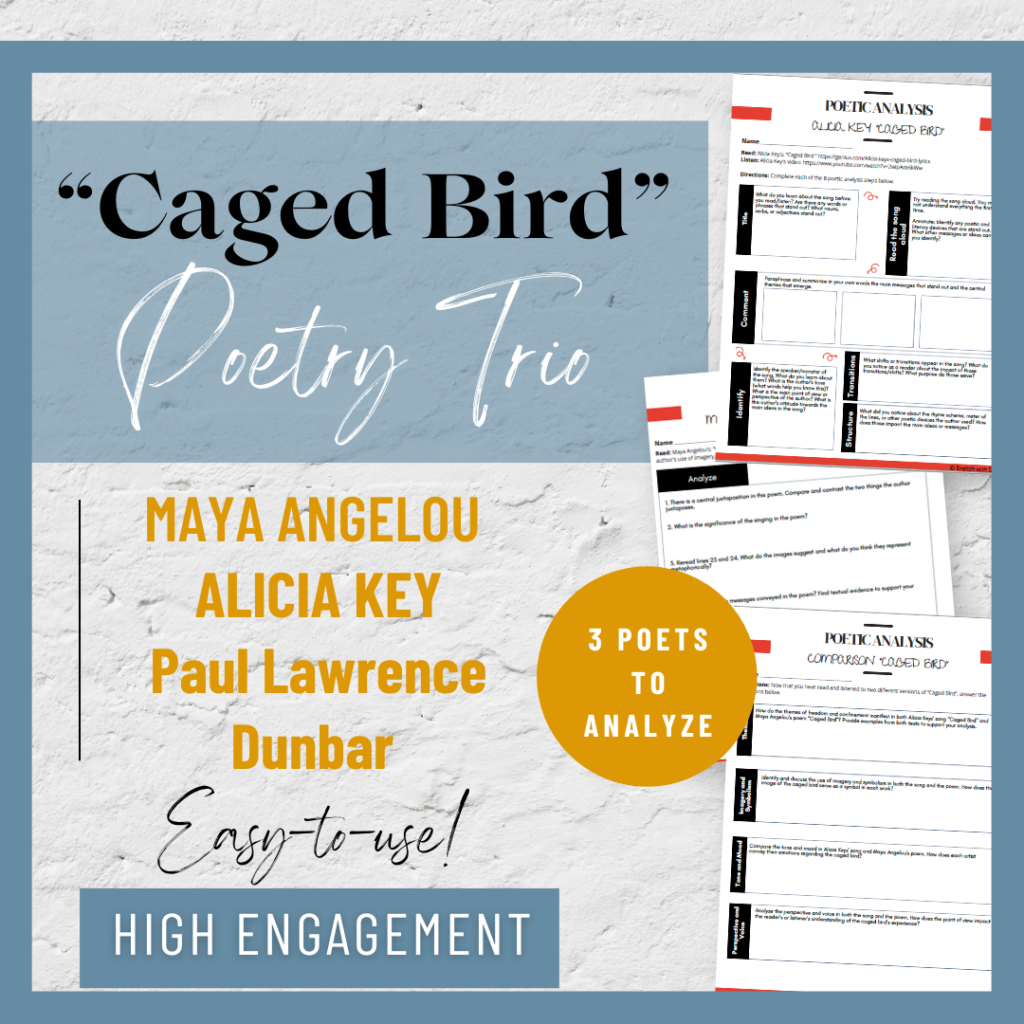
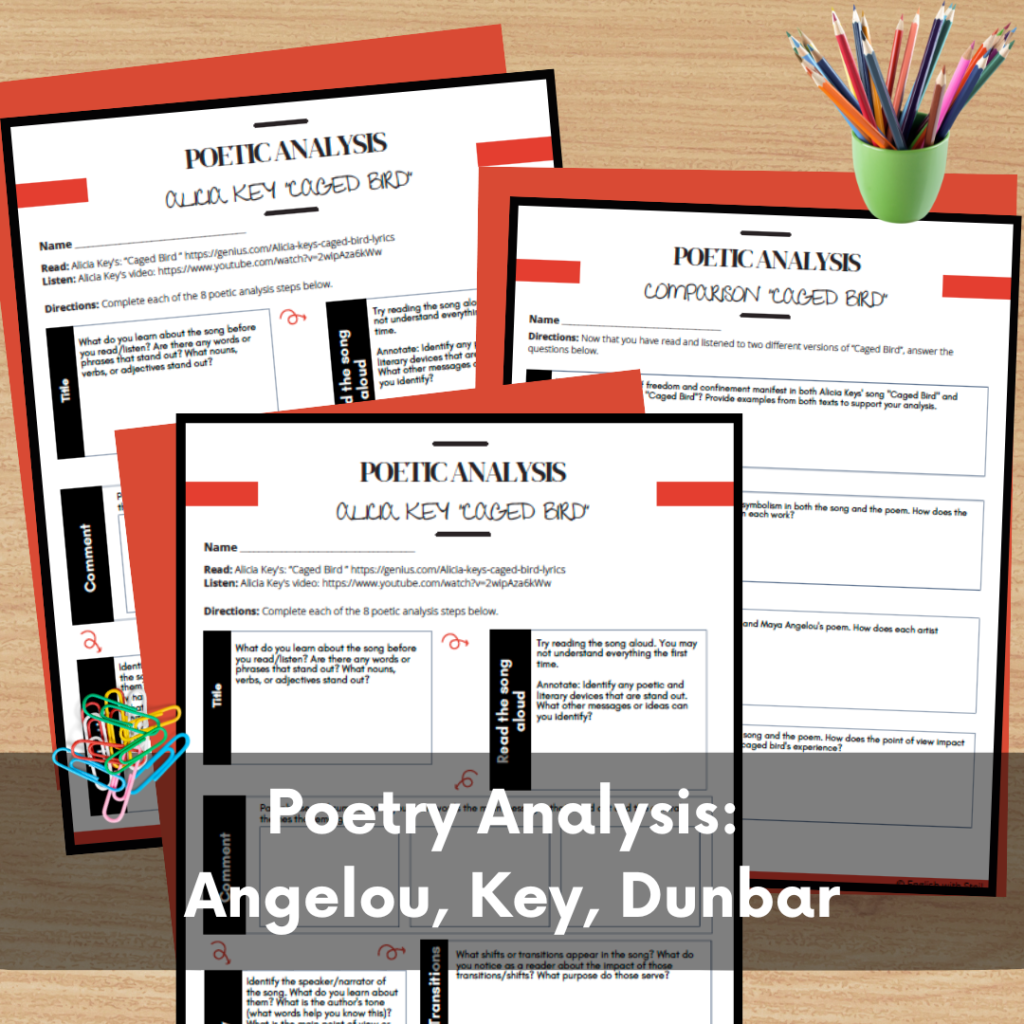
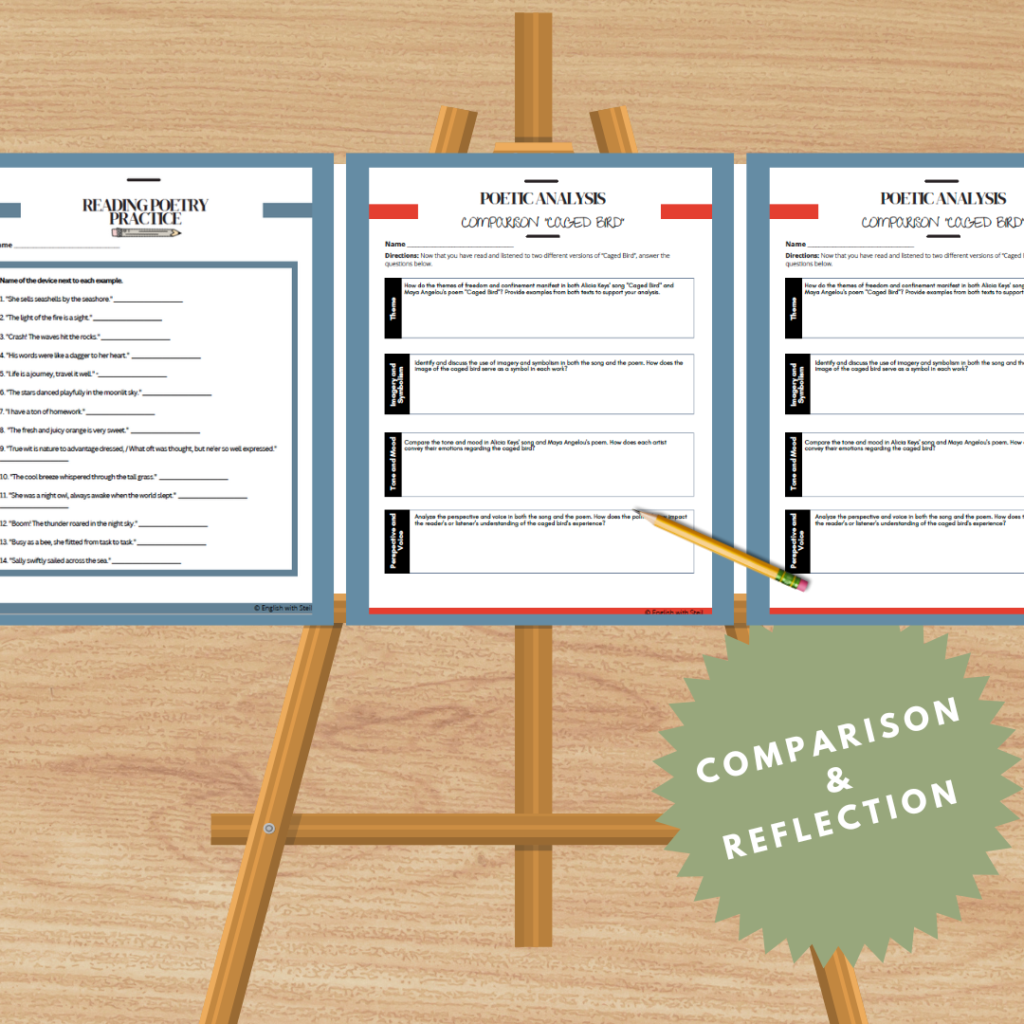
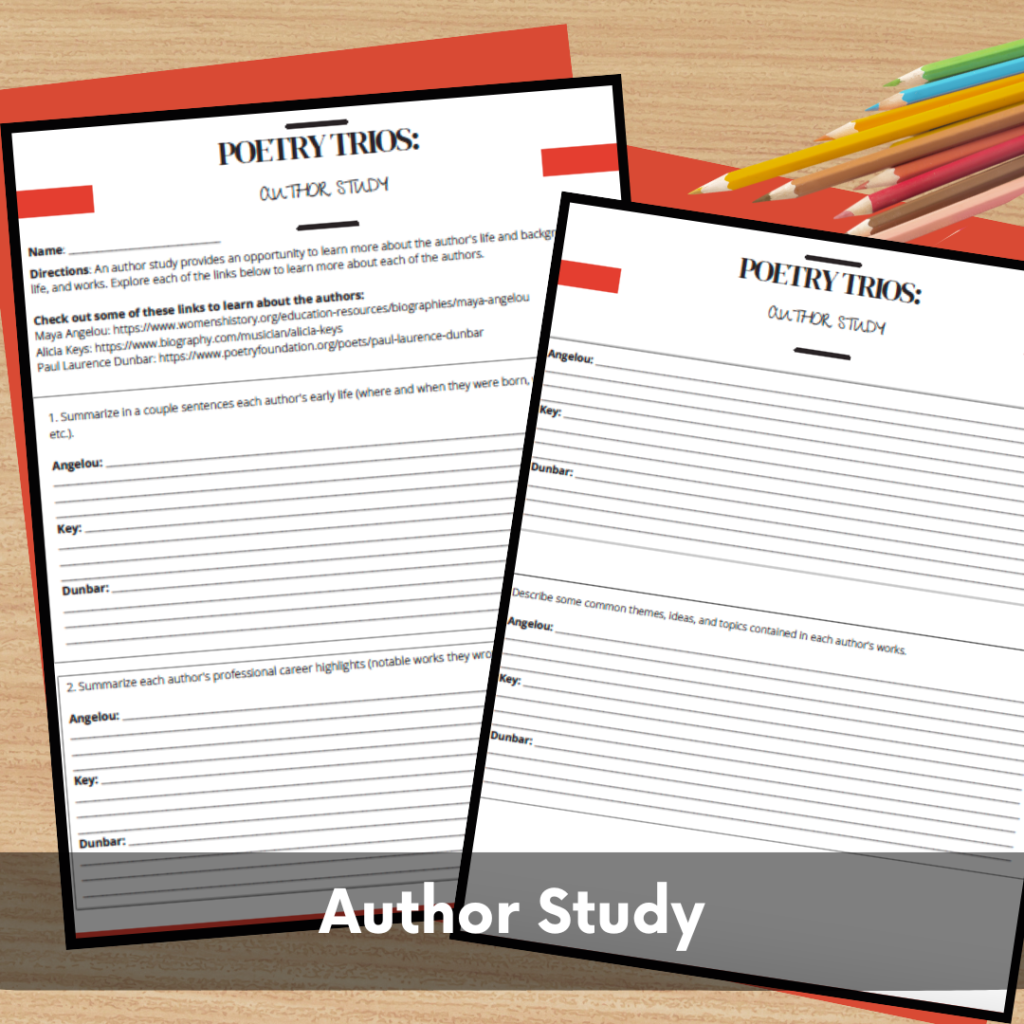
"Caged Bird" (Angelou), "Caged Bird" (Keys), "Sympathy" (Dunbar) Poetry Analysis