
This was not one of those perfectly planned, Pinterest-ready teaching moments.
It came from the same place most of my best ideas come from: frustration, limited time, and a need for something that actually worked.
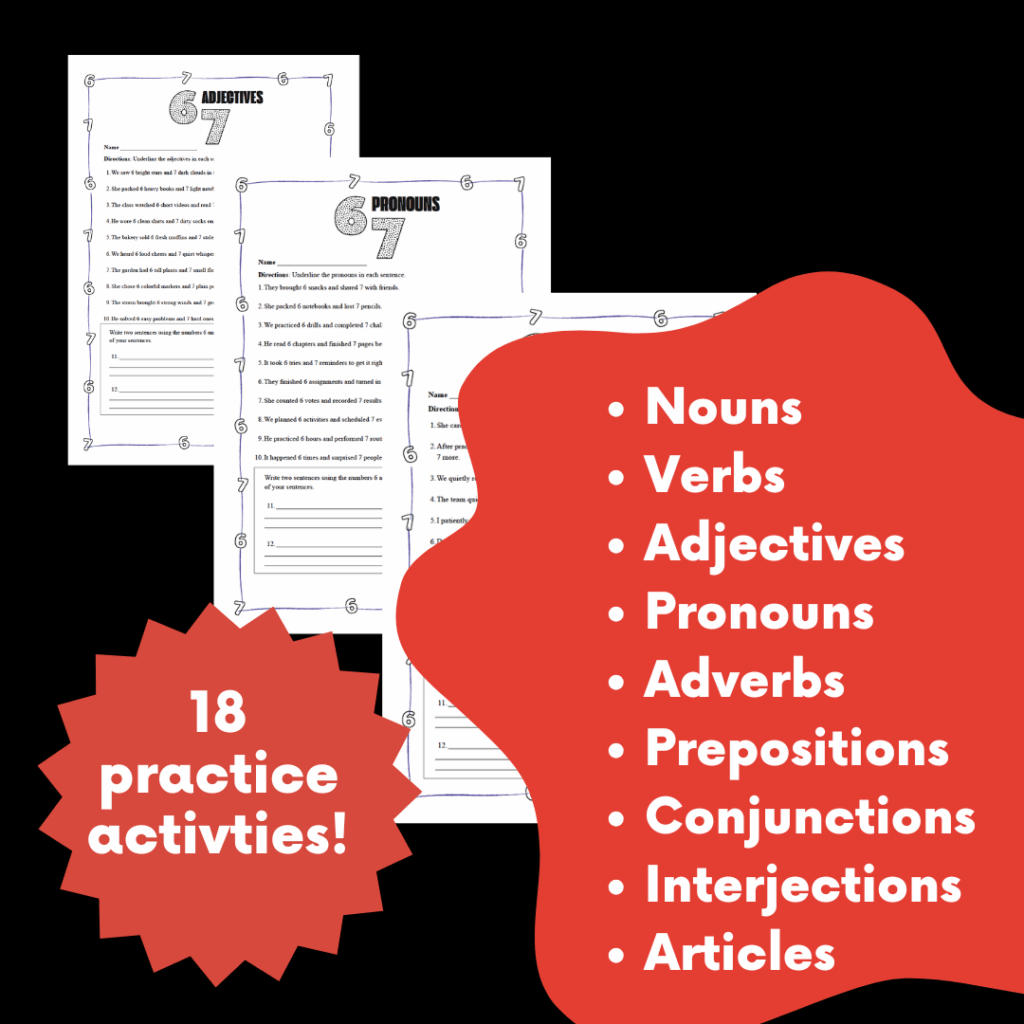
I needed grammar practice that felt right for upper elementary and middle school. I needed something that did not feel babyish and did not sound like test prep. I needed something quick, flexible, and low prep. And I needed something that did not trigger the collective groan that often follows the word grammar.
At the same time, my students could not stop referencing 6 and 7. It showed up in side conversations, jokes, doodles, and hallway chatter.
So I leaned into it.
I wrote one simple sentence on the board:
“I have 6 brothers and 7 sisters.”
Then I said, “Underline the nouns.”
That was it.
The room shifted. Students jumped in. They answered correctly. No complaints. No pushback. No questions about why we were doing this.
They just… did it.
The Moment This Idea Clicked
I didn’t wake up one morning and decide to make a “viral trend” grammar unit. This idea came from the same place most good teaching ideas come from, a mix of frustration, limited time, and a need for something that actually works.
I needed grammar practice that felt appropriate for upper elementary, didn’t feel childish, and didn’t sound like test prep. I needed something I could use quickly, without a ton of prep, and without hearing the collective groan that sometimes follows the word grammar.
At the same time, my students could not stop referencing 6 and 7. It popped up in side conversations, jokes, doodles, and hallway chatter. And instead of shutting it down, I leaned into it.
I wrote a simple sentence on the board:
“I have 6 brothers and 7 sisters.”
Then I said, “Underline the nouns.”
And just like that, the room shifted. Students engaged. They answered correctly. They didn’t complain. They didn’t ask why we were doing this. They just… did it.
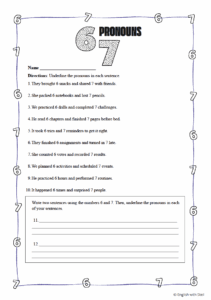
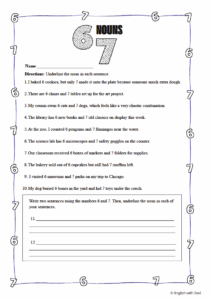
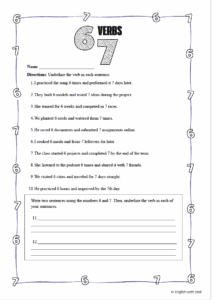
Why the 6 / 7 Format Works for Grammar
Grammar often feels abstract because students are asked to identify word jobs without a structure that sticks.
The 6 7 format gives them that structure.
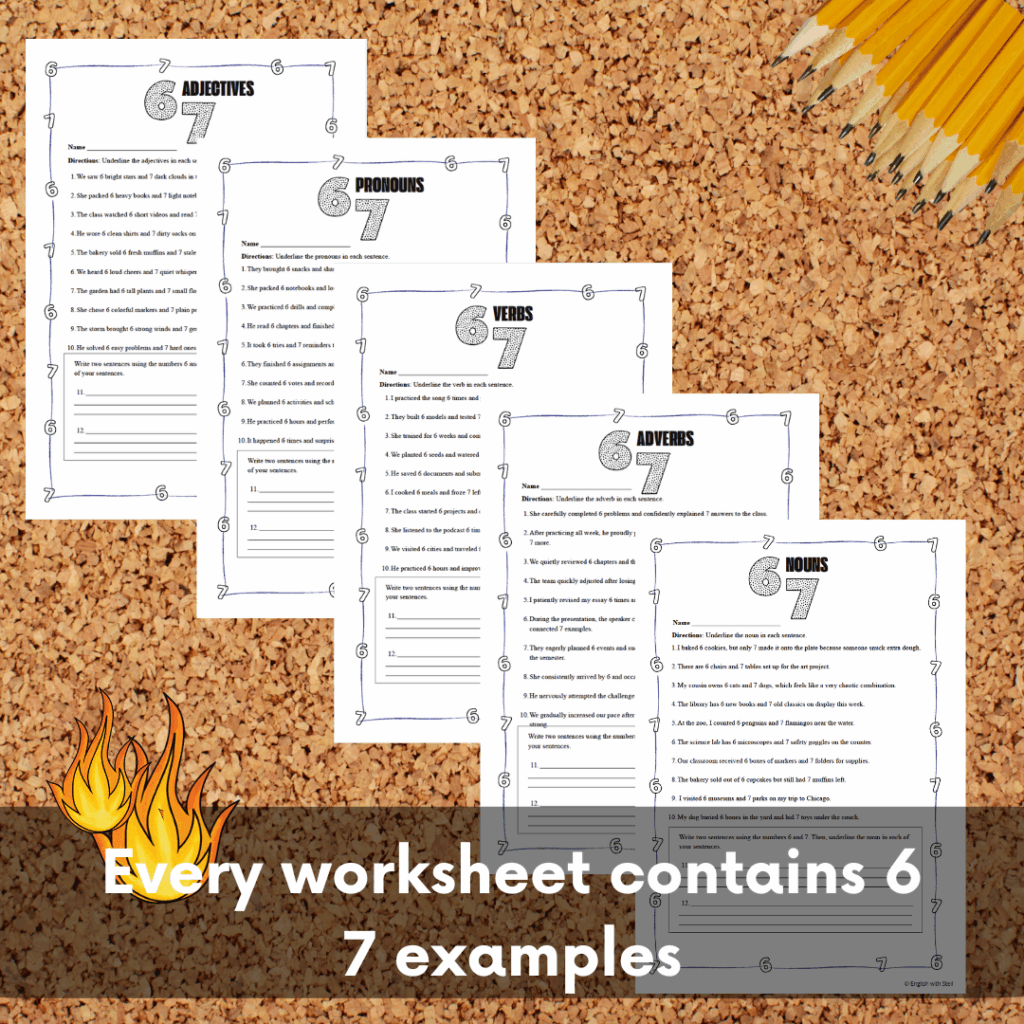
The numbers stay the same, which removes one layer of thinking. The sentence pattern feels familiar, which lowers resistance. That frees students up to focus on the actual skill: figuring out what a word is doing in the sentence.
This is not about being trendy for the sake of it. It is about using a pattern students already recognize to make grammar more concrete, accessible, and memorable.
Grammar does not need to feel like a “gotcha.” It can be something students feel confident doing.
So… How Do We Actually Make Grammar Engaging?
Here is something we do not talk about enough: grammar is not boring by nature. It becomes boring when it feels disconnected, repetitive, or overly abstract.
Most students are not resistant to learning. They are resistant to learning things that feel pointless, confusing, or exactly the same as last year.
Small shifts in how we teach parts of speech can make a big difference.
Start With Patterns Students Recognize
Students love patterns. They notice them quickly and rely on them.
When grammar instruction is built around a predictable structure, students feel safer jumping in. A consistent format like 6 7 gives them an entry point. Once the structure is familiar, their mental energy can go toward identifying the word’s job instead of decoding directions.
If students already understand the pattern, you are halfway there.
Teach One Job at a Time
One of the fastest ways to overwhelm students is to ask them to identify everything at once.
Instead, focus on one part of speech and stay there long enough for students to feel successful. When you teach nouns, really live in nouns. Let students underline them, replace them, list them, and talk about them. Then move on to verbs. Then adjectives.
Depth beats speed every time.
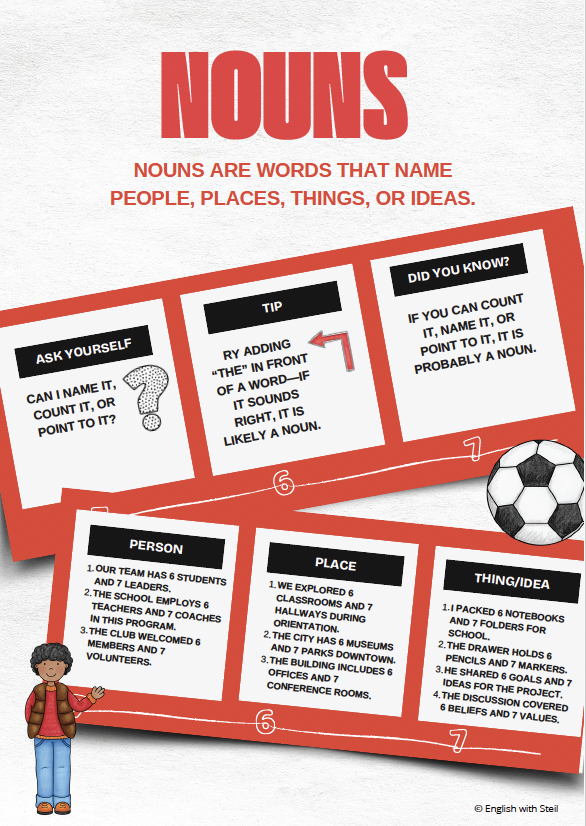
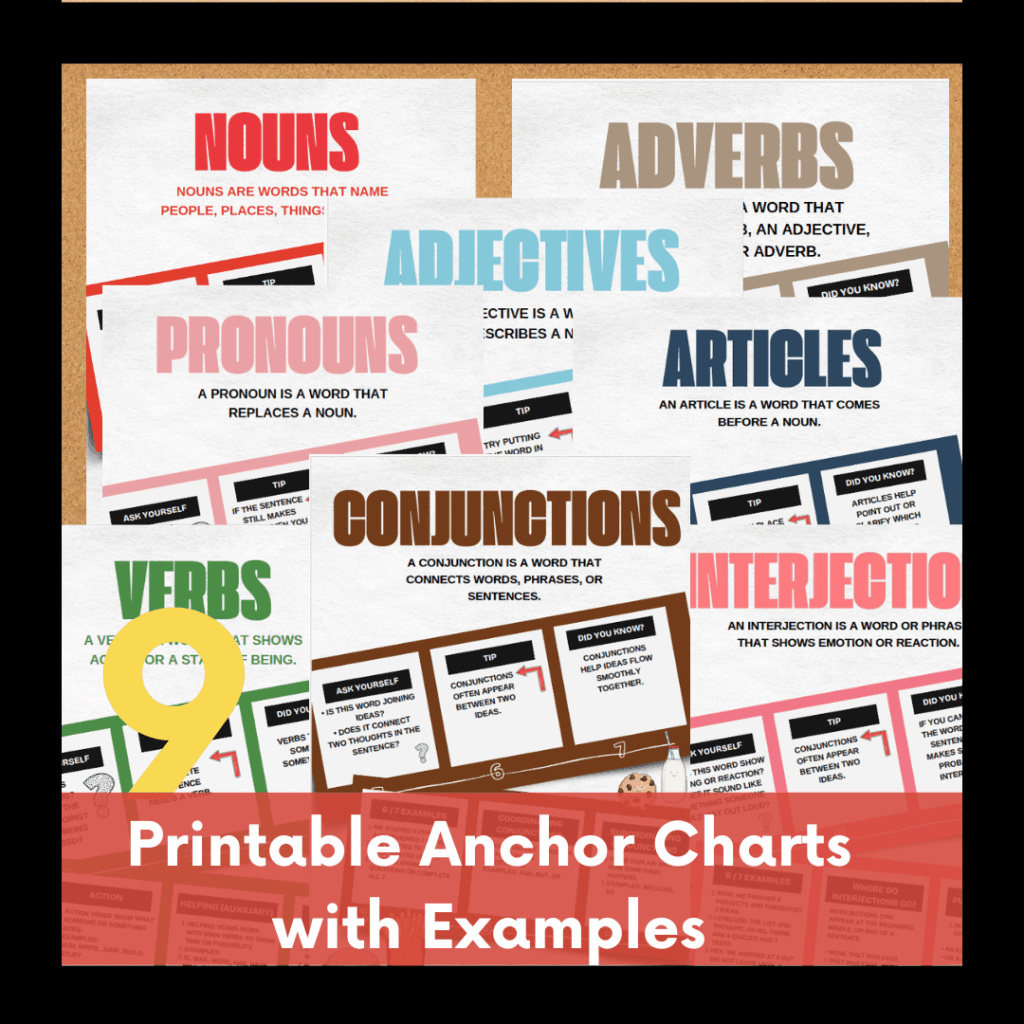
Make Anchor Charts Useful, Not Decorative
Anchor charts only work if students actually use them.
When charts are written in student-friendly language and referenced during instruction, students begin to see them as thinking tools, not wall art. Model how to use them. Point to them. Ask questions from them out loud.
If an anchor chart answers questions students are already asking in their heads, it is doing its job.
Let Students Talk About Language
Grammar should not be silent work.
Students learn parts of speech more deeply when they talk about them. Ask questions like:
Why is this word a verb here?
What would happen if we changed this adjective?
Does this word always act the same way?
Even imperfect explanations help students see grammar as flexible and meaningful, not just a list of rules.
Use Real Sentences
Students are very good at spotting “teacher sentences.”
Using sentences that sound like real language helps students connect grammar to the world around them. Humor helps. Slight awkwardness helps. Imperfection helps.
When students recognize themselves in the sentences, they are much more willing to engage with the grammar inside them.
Keep the Focus on What Words Do
At its core, grammar is about function, not labels.
Keep coming back to the idea of jobs. What job is this word doing? How is it helping the sentence? What would break if it were gone?
That shift alone helps students transfer grammar knowledge into their writing.
Give Students Early Wins
Confidence matters.
Start with examples where the part of speech is clear. Let students feel successful early. Then increase the complexity.
When students believe they can do grammar, they are far more willing to keep going.
A Final Thought on Teaching Grammar
Engaging grammar instruction does not require flashy activities or complicated systems. It comes from noticing what students already care about, building on patterns they recognize, and creating space for thinking instead of rushing to the next standard.
When grammar feels accessible, students lean in.
When it feels relevant, they remember it.
And when it feels doable, they stop resisting it.
That is the goal. Not perfection. Connection.
Check Out These Resources from My Fellow Teacher Authors
If you’re rethinking how you teach grammar, or looking for ways to make it feel more natural, efficient, and student-friendly, these posts from fellow secondary teachers offer smart ideas you can actually use.
How to Teach Grammar Without Worksheets by Secondary Sara
A refreshing look at grammar instruction that focuses on patterns, discussion, and real sentences instead of isolated drills.Short Attention Span Grammar by Laura Randazzo
Perfect for teachers who want grammar instruction that fits into short chunks and still sticks with students.Choosing an Order of Topics in Grammar Instruction by Secondary Sara
A thoughtful breakdown of how sequencing grammar skills can reduce overwhelm and build confidence.Sentence Combining: A Better Way to Teach Grammar by Bespoke ELA
An excellent reminder that grammar works best when it is connected directly to writing and meaning.Grammar Activities That Don’t Feel Like Test Prep by Bespoke ELA
Practical ideas for keeping grammar rigorous without making it feel dry or disconnected.

